

Creating your own seasoned salt at home is a simple and rewarding process. This versatile blend can elevate the flavor of a wide range of dishes, from meats and vegetables to soups and stews. With just a few pantry staples, you can have a custom seasoning mix that adds a burst of flavor to any meal.
Most of the ingredients for this seasoned salt recipe are common pantry staples. However, if you don't already have paprika or dried parsley on hand, you can easily find them in the spice aisle of your local supermarket. These ingredients are essential for adding depth and a hint of color to your seasoning mix.
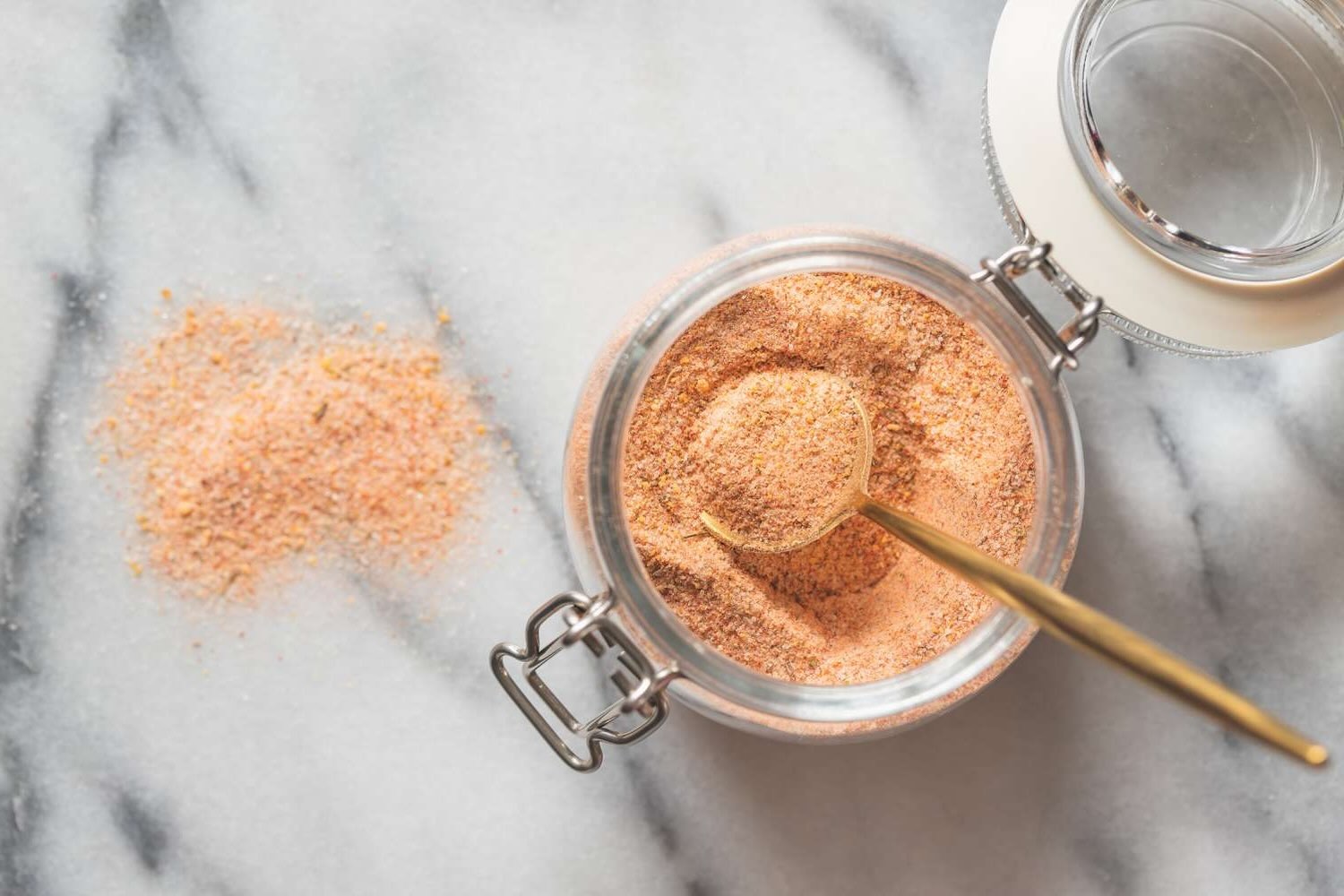
Ingredients for Seasoned Salt Recipe
Salt: The base of the seasoning mix, providing the essential salty flavor.
Paprika: Adds a mild, sweet pepper flavor and a vibrant red color.
Garlic powder: Brings a savory, aromatic quality to the mix.
Onion powder: Adds a subtle, sweet onion flavor.
Black pepper: Provides a hint of heat and complexity.
Dried parsley: Adds a touch of herbaceous freshness and a pop of green color.
Technique Tip for This Recipe
When making seasoned salt, ensure that the salt you use is fine-grained. This allows for better blending with the paprika, garlic powder, onion powder, black pepper, and dried parsley. For an even finer mix, consider giving the combined ingredients a quick pulse in a food processor. This will help achieve a uniform texture and ensure that each pinch of your seasoned salt delivers consistent flavor.
Suggested Side Dishes
Alternative Ingredients
salt - Substitute with sea salt: Sea salt can provide a similar level of saltiness with a slightly different mineral profile for added depth of flavor.
salt - Substitute with kosher salt: Kosher salt has a coarser grain and can be less intense, allowing for more control over seasoning.
paprika - Substitute with smoked paprika: Smoked paprika adds a smoky flavor that can enhance the overall taste of the seasoned salt.
paprika - Substitute with cayenne pepper: For a spicier kick, cayenne pepper can be used, though it will add heat rather than the mild sweetness of paprika.
garlic powder - Substitute with granulated garlic: Granulated garlic has a similar flavor but a slightly different texture, which can still work well in the mix.
garlic powder - Substitute with fresh garlic: Minced fresh garlic can be used, but it may alter the texture and moisture content of the seasoned salt.
onion powder - Substitute with granulated onion: Granulated onion provides a similar flavor with a different texture, suitable for seasoning blends.
onion powder - Substitute with dried minced onion: Dried minced onion offers a more intense onion flavor and a different texture.
black pepper - Substitute with white pepper: White pepper has a milder flavor and can be used if you prefer a less pungent taste.
black pepper - Substitute with ground coriander: Ground coriander offers a citrusy, slightly sweet flavor that can complement the other spices.
dried parsley - Substitute with dried oregano: Dried oregano provides a different herbal note that can add complexity to the seasoning.
dried parsley - Substitute with dried basil: Dried basil offers a sweet, aromatic flavor that can enhance the overall taste of the seasoned salt.
Other Alternative Recipes
How To Store / Freeze Your Seasoned Salt
Ensure your seasoned salt is stored in an airtight container to maintain its freshness and potency. This prevents moisture from clumping the mixture and keeps the flavors vibrant.
Place the container in a cool, dark place, such as a pantry or cupboard. Exposure to light and heat can degrade the spices over time, diminishing their flavor.
Label the container with the date of preparation. While seasoned salt can last for several months, it's best used within six months for optimal flavor.
If you prefer to freeze your seasoned salt, transfer it to a freezer-safe container or a resealable plastic bag. This method is particularly useful if you live in a humid climate where moisture can be an issue.
When freezing, ensure the container or bag is sealed tightly to prevent any freezer odors from seeping in and affecting the taste of your seasoned salt.
To use frozen seasoned salt, simply scoop out the desired amount and let it come to room temperature. This will help it regain its texture and make it easier to sprinkle over your vegetables, meat, or any other dish.
Avoid storing your seasoned salt near the stove or any other heat sources. The fluctuating temperatures can cause condensation inside the container, leading to clumping and loss of flavor.
For an extra touch of freshness, consider adding a few grains of uncooked rice to the container. The rice will absorb any excess moisture, keeping your seasoned salt dry and free-flowing.
Remember to give the container a gentle shake before each use to redistribute the spices evenly. This ensures that every pinch of your seasoned salt delivers a consistent burst of flavor to your soups, desserts, or any culinary creation.
How To Reheat Leftovers
Preheat your oven to 250°F (120°C). Spread the seasoned salt evenly on a baking sheet. Warm it for about 10 minutes, stirring halfway through to ensure even heating.
If you prefer using a microwave, place the seasoned salt in a microwave-safe bowl. Heat it on medium power for 30-second intervals, stirring each time, until it reaches the desired warmth.
For a stovetop method, pour the seasoned salt into a dry skillet. Heat it over low heat, stirring constantly, until it’s evenly warmed. Be careful not to burn it.
If you have a dehydrator, spread the seasoned salt on a dehydrator tray. Set the temperature to 125°F (52°C) and let it warm for about 30 minutes.
For a quick and easy method, use a toaster oven. Spread the seasoned salt on a small baking tray and heat it at 250°F (120°C) for 5-10 minutes, stirring once to ensure even heating.
Best Tools for This Recipe
Mixing bowl: A large container used to combine all the ingredients together.
Measuring cups: Essential for accurately measuring the salt and paprika.
Measuring spoons: Necessary for measuring smaller quantities like garlic powder, onion powder, black pepper, and dried parsley.
Whisk: Useful for thoroughly mixing the ingredients to ensure even distribution.
Airtight container: Important for storing the seasoned salt to keep it fresh and prevent clumping.
Spoon: Handy for transferring the mixed seasoned salt into the storage container.
How to Save Time on This Recipe
Pre-measure ingredients: Measure out all ingredients ahead of time to streamline the mixing process.
Use a large mixing bowl: A larger bowl makes it easier to combine everything quickly and evenly.
Batch preparation: Make a larger batch and store it in multiple airtight containers for future use.
Label containers: Clearly label your seasoned salt containers to avoid confusion and save time when cooking.
Use a funnel: Use a funnel to transfer the seasoned salt into containers without making a mess.
Seasoned Salt Recipe
Ingredients
Seasoned Salt Ingredients
- 1 cup Salt
- 2 tablespoon Paprika
- 1 tablespoon Garlic Powder
- 1 tablespoon Onion Powder
- 1 teaspoon Black Pepper
- 1 teaspoon Dried Parsley
Instructions
- In a mixing bowl, combine all ingredients.
- Stir well to ensure even distribution.
- Transfer to an airtight container for storage.
Keywords
More Amazing Recipes to Try 🙂
- Mexican Fiesta Pasta Salad Recipe25 Minutes
- Hamburger Seasoning Recipe5 Minutes
- Raspberry Almond Muffins Recipe35 Minutes
- Chili Recipe1 Hours 15 Minutes
- Cream Corn Recipe30 Minutes
- Pineapple Margarita Recipe10 Minutes
- Baked Ham Recipe2 Hours 15 Minutes
- Mixed Greens Recipe10 Minutes






Leave a Reply