

This delightful white cake is perfect for any celebration or just a sweet treat to enjoy at home. Its light and fluffy texture, combined with a subtle vanilla flavor, makes it a versatile dessert that can be paired with various frostings and fillings.
Most of the ingredients for this white cake recipe are common pantry staples. However, you may need to ensure you have unsalted butter and vanilla extract on hand, as these are essential for achieving the right flavor and texture. If you don't typically separate eggs, make sure you have enough egg whites for the recipe.
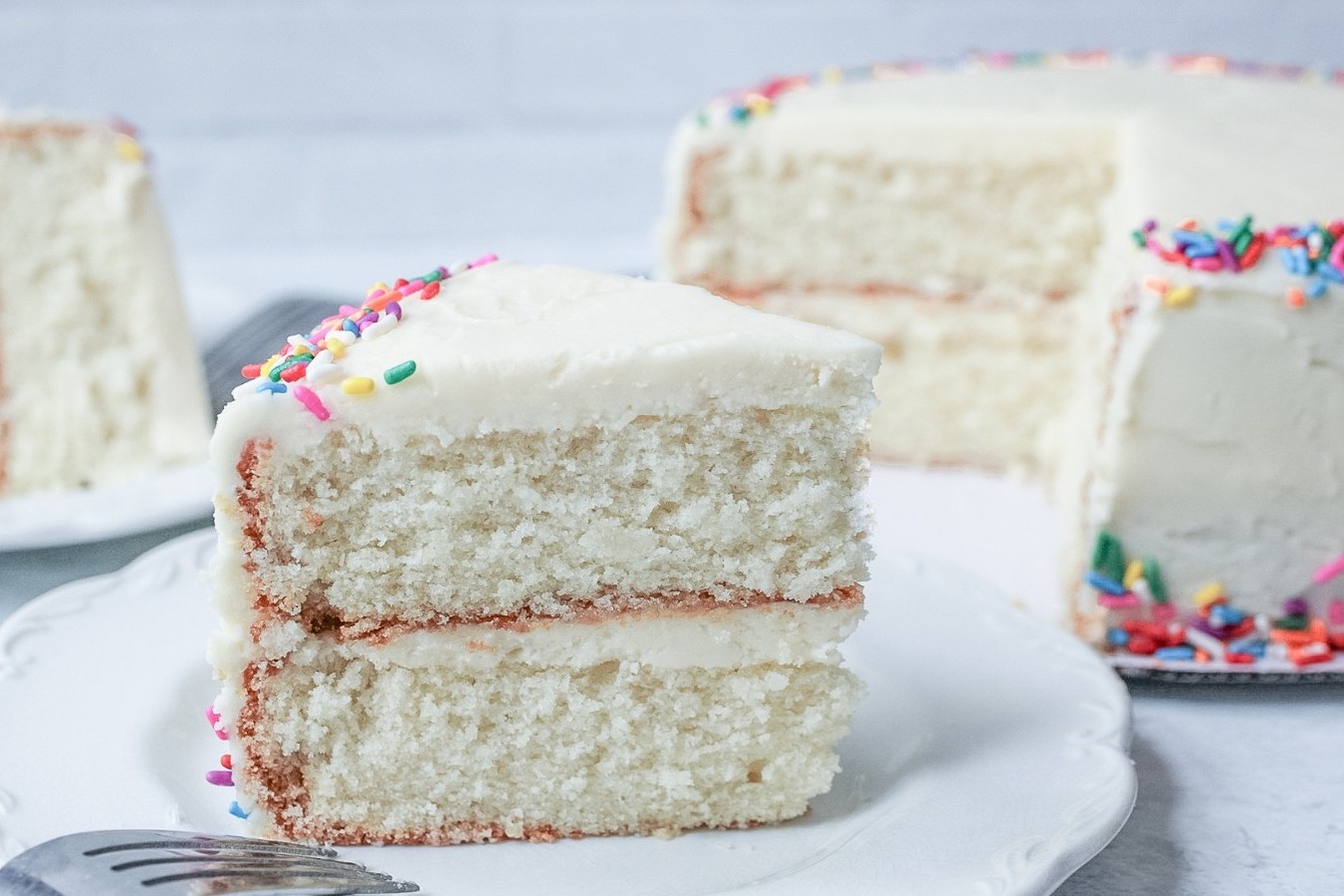
Ingredients for White Cake Recipe
All-purpose flour: The base of the cake, providing structure and texture.
Granulated sugar: Adds sweetness and helps to create a tender crumb.
Milk: Adds moisture and richness to the cake.
Unsalted butter: Provides flavor and a tender texture.
Egg whites: Contributes to the cake's light and airy texture.
Baking powder: A leavening agent that helps the cake rise.
Vanilla extract: Adds a subtle, sweet flavor.
Salt: Enhances the flavors of the other ingredients.
Technique Tip for Baking
When beating the butter and sugar, ensure they are thoroughly creamed together until the mixture is light and fluffy. This step is crucial for incorporating air into the batter, which helps achieve a tender and airy cake. Use a stand mixer or hand mixer on medium speed for about 3-5 minutes, scraping down the sides of the bowl as needed to ensure even mixing.
Suggested Side Dishes
Alternative Ingredients
all-purpose flour - Substitute with cake flour: Cake flour has a lower protein content, resulting in a lighter and more tender cake.
all-purpose flour - Substitute with gluten-free flour blend: For those with gluten intolerance, a gluten-free flour blend can be used to achieve a similar texture.
granulated sugar - Substitute with coconut sugar: Coconut sugar has a lower glycemic index and adds a slight caramel flavor.
granulated sugar - Substitute with honey: Honey adds moisture and a natural sweetness, but reduce the milk slightly to balance the liquid content.
milk - Substitute with almond milk: Almond milk is a dairy-free alternative that works well in baking.
milk - Substitute with buttermilk: Buttermilk adds a slight tang and helps to tenderize the cake.
unsalted butter - Substitute with coconut oil: Coconut oil provides a dairy-free option and adds a subtle coconut flavor.
unsalted butter - Substitute with margarine: Margarine is a non-dairy alternative that can be used in the same quantity.
egg whites - Substitute with aquafaba: Aquafaba, the liquid from canned chickpeas, can be whipped to mimic egg whites.
egg whites - Substitute with flaxseed meal and water: Mix 1 tablespoon of flaxseed meal with 3 tablespoons of water per egg white for a vegan alternative.
baking powder - Substitute with baking soda and cream of tartar: Use ¼ teaspoon baking soda plus ½ teaspoon cream of tartar for each teaspoon of baking powder.
vanilla extract - Substitute with almond extract: Almond extract provides a different but pleasant flavor profile.
vanilla extract - Substitute with maple syrup: Maple syrup adds a unique sweetness and depth of flavor.
salt - Substitute with sea salt: Sea salt can be used in the same quantity and may offer a slightly different mineral content.
salt - Substitute with kosher salt: Kosher salt has larger grains, so use slightly more to achieve the same saltiness.
Other Alternative Recipes
How to Store / Freeze Your Cake
- To keep your white cake fresh, wrap it tightly in plastic wrap or aluminum foil once it has completely cooled. This prevents it from drying out and keeps it moist.
- Store the wrapped cake at room temperature if you plan to consume it within 2-3 days. Make sure it's kept in a cool, dry place away from direct sunlight.
- For longer storage, place the wrapped cake in an airtight container or a resealable plastic bag and refrigerate. This will keep it fresh for up to a week.
- If you want to freeze the cake, first wrap it in plastic wrap and then in a layer of aluminum foil. This double wrapping helps to prevent freezer burn and maintain the cake's texture.
- Label the wrapped cake with the date before placing it in the freezer. This helps you keep track of how long it has been stored.
- When you're ready to enjoy your frozen white cake, transfer it from the freezer to the refrigerator and let it thaw overnight. This gradual thawing process helps maintain the cake's moisture and texture.
- For a quicker thaw, you can leave the cake at room temperature for a few hours. However, avoid microwaving it as this can make the cake soggy.
- If you have frosted the cake, follow the same wrapping and storing guidelines. However, note that some frostings, like buttercream, freeze better than others, such as whipped cream or cream cheese frosting.
- To freeze individual slices, wrap each slice in plastic wrap and then place them in a resealable plastic bag. This makes it easy to grab a single serving whenever you crave a piece of white cake.
- Always let the cake come to room temperature before serving to enjoy its full flavor and texture.
How to Reheat Leftovers
Preheat your oven to 325°F (165°C). Wrap the cake in aluminum foil to prevent it from drying out. Place it on a baking sheet and heat for about 10-15 minutes, or until warmed through.
For a quicker method, use the microwave. Place a slice of cake on a microwave-safe plate. Cover it with a damp paper towel to retain moisture. Heat on medium power for 20-30 seconds, checking frequently to avoid overheating.
If you have a steamer, you can use it to reheat the cake. Wrap the cake in parchment paper or aluminum foil and place it in the steamer basket. Steam for about 5-7 minutes until warmed through.
For a toaster oven, set it to a low temperature, around 300°F (150°C). Place the cake on a baking sheet and cover it with foil. Heat for about 10 minutes, checking to ensure it doesn’t dry out.
If you prefer a stovetop method, use a double boiler. Place the cake in a heatproof dish and set it over simmering water. Cover and steam for about 5-10 minutes until warmed through.
Best Tools for Baking
Oven: Used to bake the cake at a consistent temperature of 350°F (175°C).
Cake pans: Used to hold the batter while it bakes into a cake.
Mixing bowl: Used to combine dry ingredients like flour, baking powder, and salt.
Mixing bowl: Used to beat the butter and sugar, and to combine all ingredients.
Electric mixer: Used to beat the butter and sugar until light and fluffy, and to mix in the egg whites and other ingredients.
Measuring cups: Used to measure out the flour, sugar, and milk accurately.
Measuring spoons: Used to measure out the baking powder, vanilla extract, and salt.
Spatula: Used to scrape down the sides of the mixing bowl to ensure all ingredients are well combined.
Toothpick: Used to check if the cake is done by inserting it into the center of the cake.
Wire rack: Used to cool the cakes completely after they have been removed from the pans.
How to Save Time on Baking
Pre-measure ingredients: Measure out flour, sugar, and other ingredients ahead of time to streamline the process.
Room temperature butter: Ensure butter is softened to room temperature for easier mixing.
Separate egg whites: Separate egg whites in advance to save time during preparation.
Use a stand mixer: A stand mixer can speed up the process of beating butter and sugar.
Prepare pans early: Grease and flour your cake pans before starting to mix your batter.
Clean as you go: Keep your workspace tidy by cleaning up utensils and bowls as you use them.
White Cake Recipe
Ingredients
Main Ingredients
- 2.5 cups All-purpose flour
- 1.5 cups Granulated sugar
- 1 cup Milk
- 0.5 cup Unsalted butter softened
- 3 Egg whites
- 2 teaspoon Baking powder
- 1 teaspoon Vanilla extract
- 0.5 teaspoon Salt
Instructions
- Preheat your oven to 350°F (175°C). Grease and flour your cake pans.
- In a mixing bowl, combine flour, baking powder, and salt. Set aside.
- In another bowl, beat the butter and sugar until light and fluffy. Add egg whites one at a time, beating well after each addition. Stir in the vanilla extract.
- Gradually add the flour mixture to the butter mixture, alternating with milk. Beat until just combined.
- Pour the batter into the prepared pans and bake for 25-30 minutes, or until a toothpick inserted into the center comes out clean. Let cool in pans for 10 minutes, then transfer to a wire rack to cool completely.
Nutritional Value
Keywords
Suggested Appetizers and Main Courses
More Amazing Recipes to Try 🙂
- Mexican Fiesta Pasta Salad Recipe25 Minutes
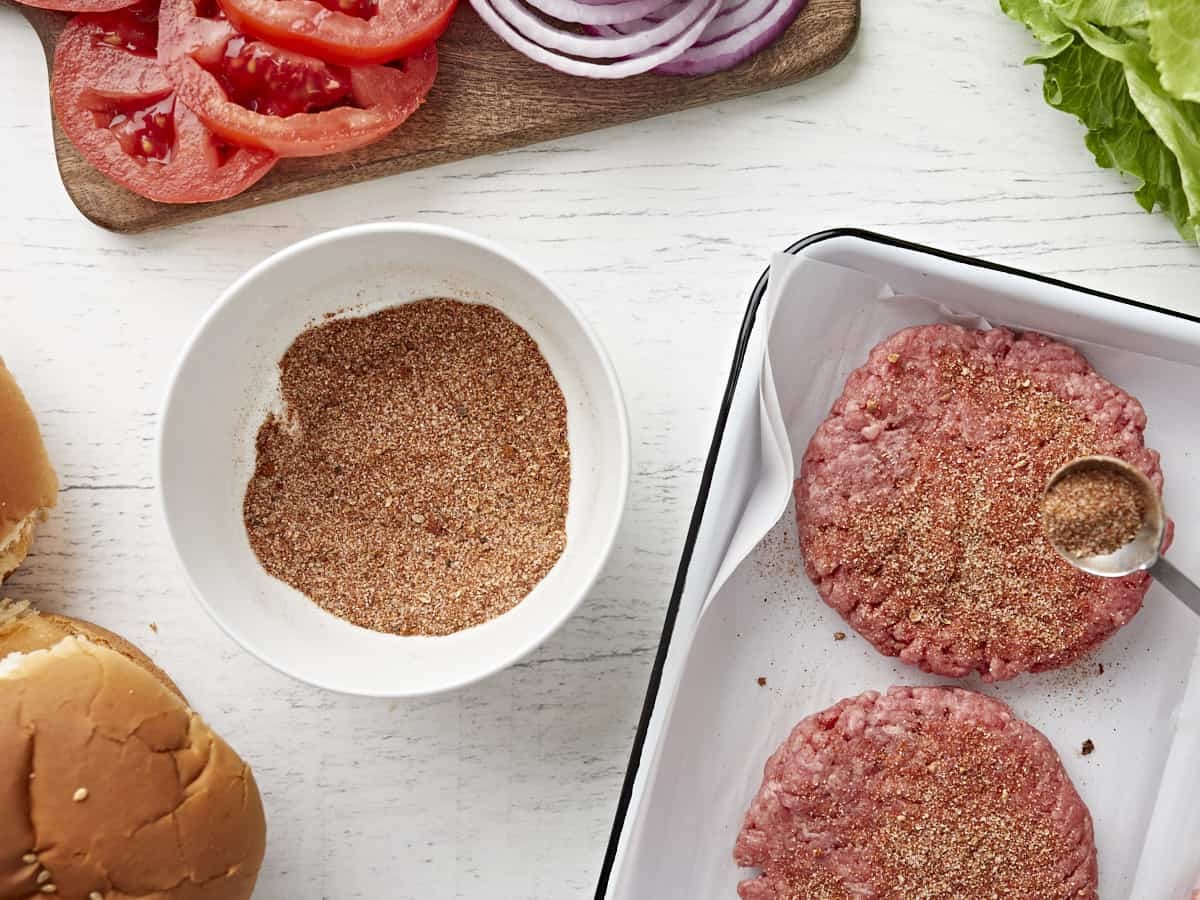
- Hamburger Seasoning Recipe5 Minutes
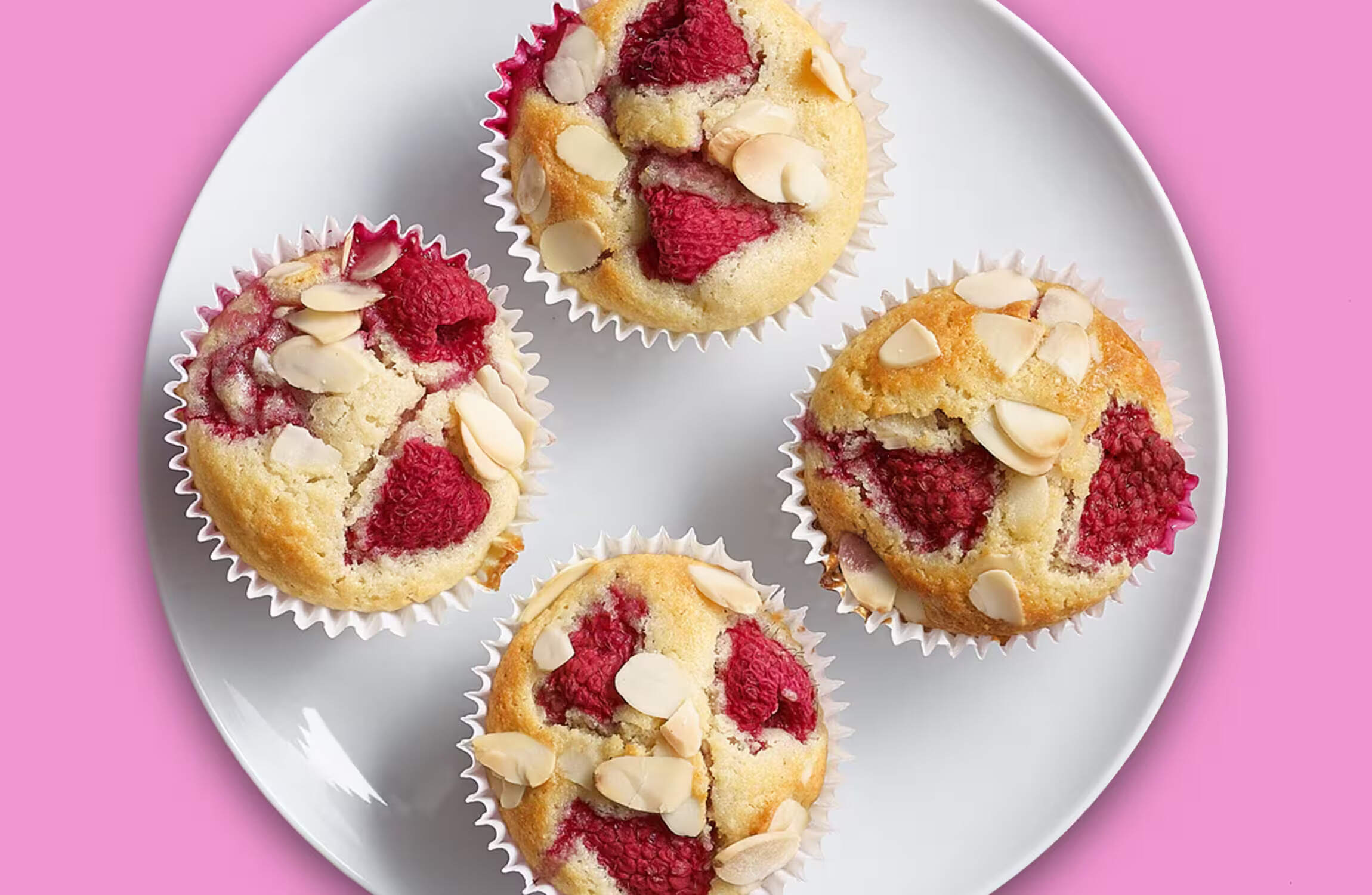
- Raspberry Almond Muffins Recipe35 Minutes
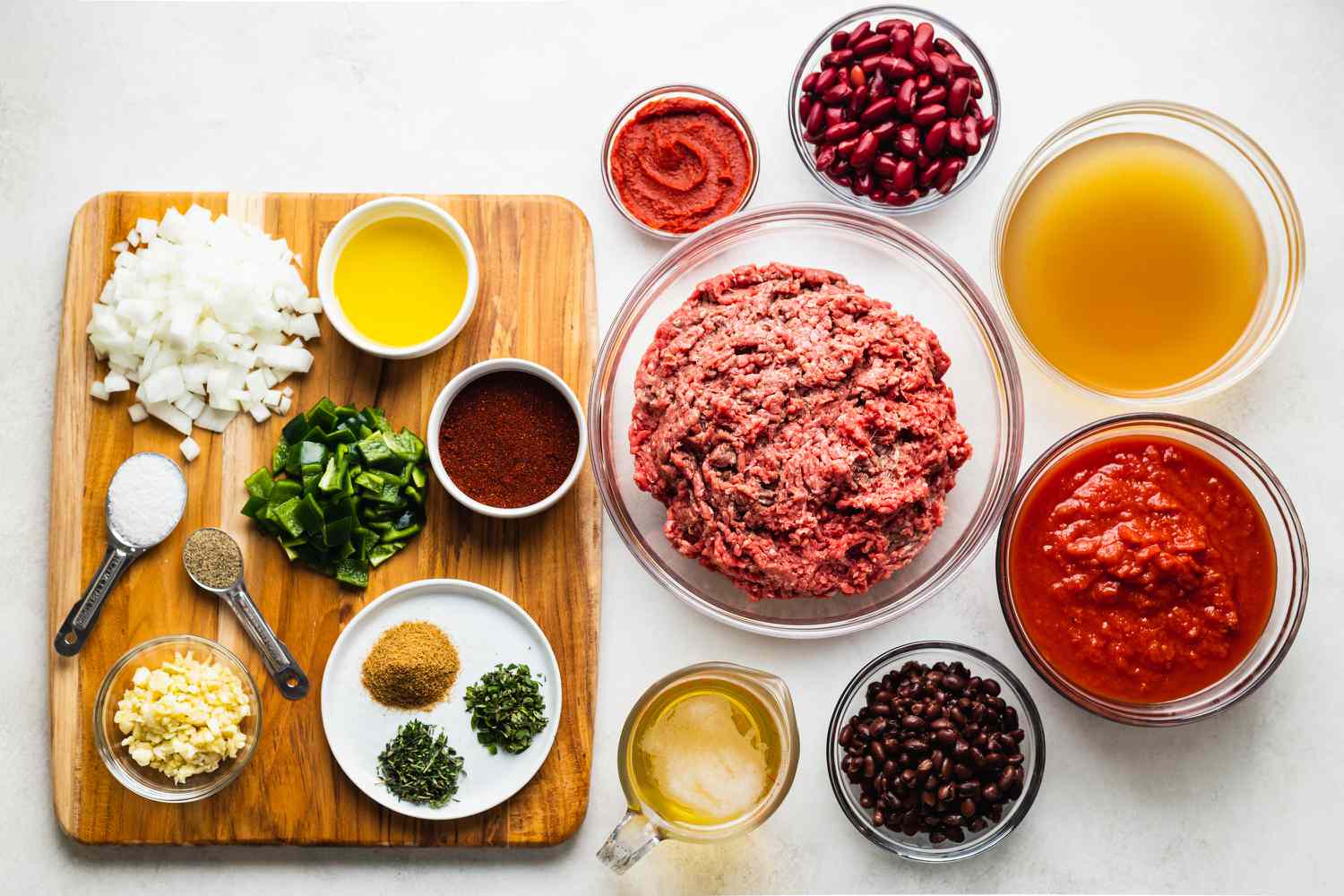
- Chili Recipe1 Hours 15 Minutes
- Cream Corn Recipe30 Minutes
- Pineapple Margarita Recipe10 Minutes
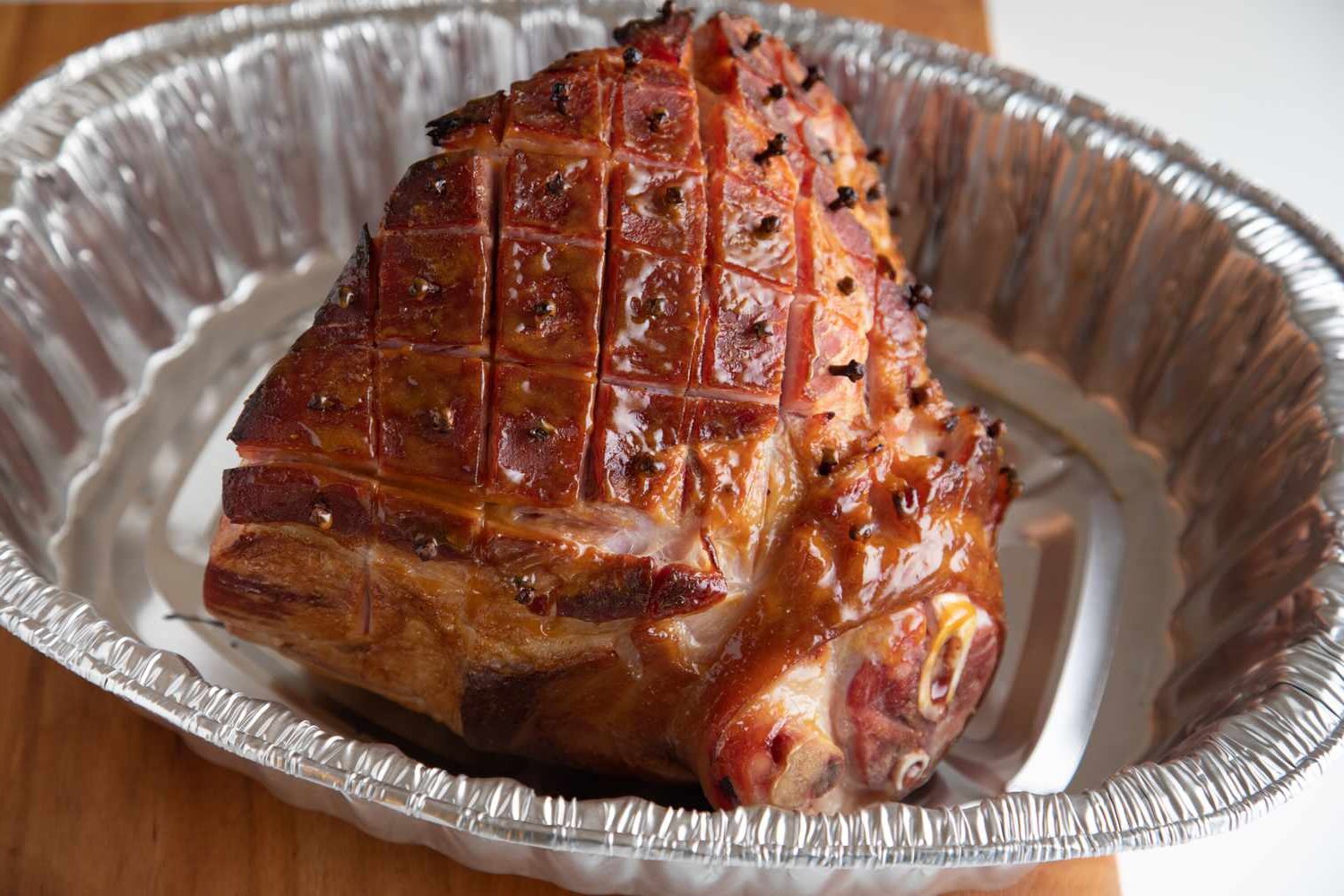
- Baked Ham Recipe2 Hours 15 Minutes
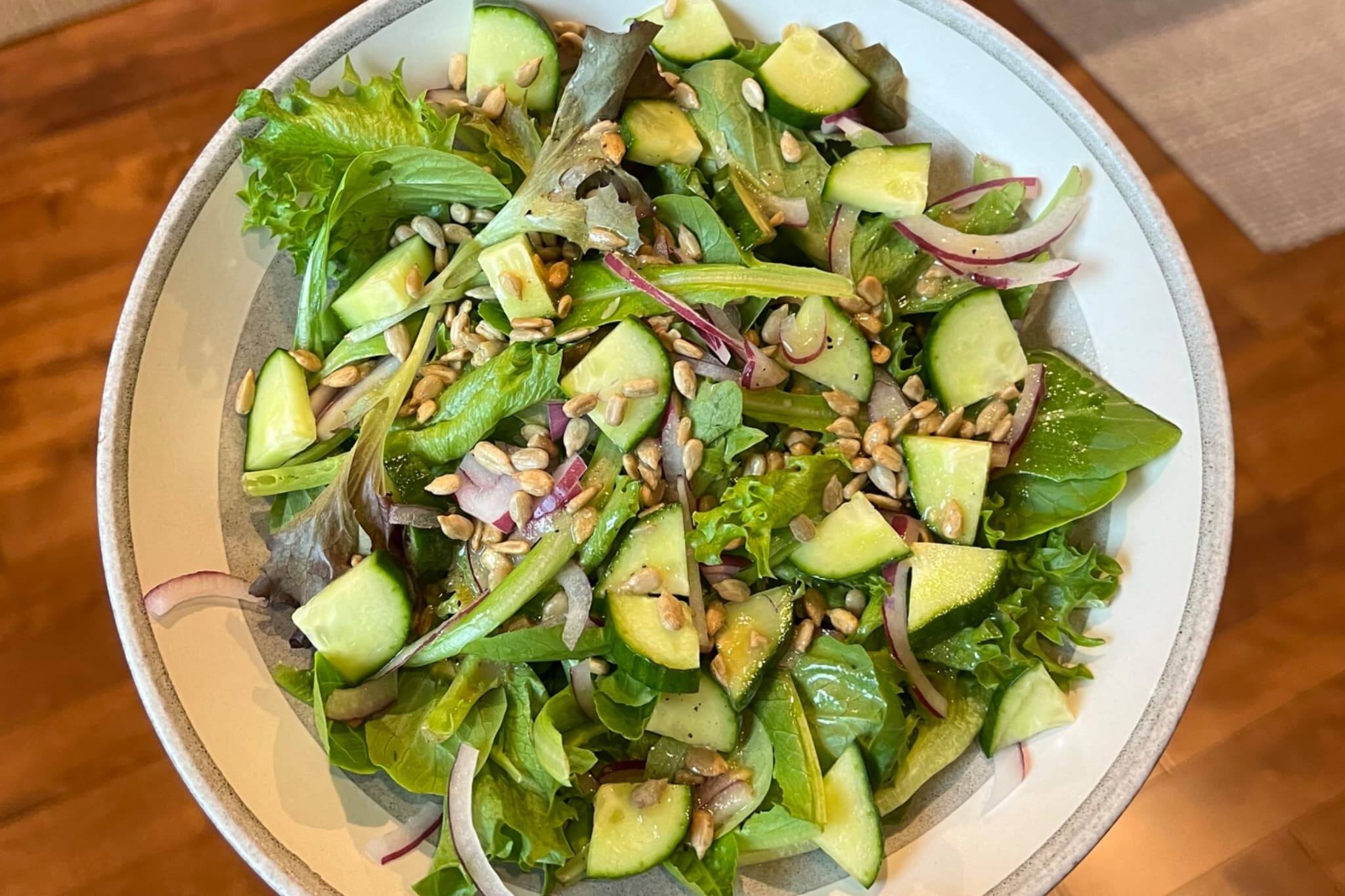
- Mixed Greens Recipe10 Minutes



Leave a Reply