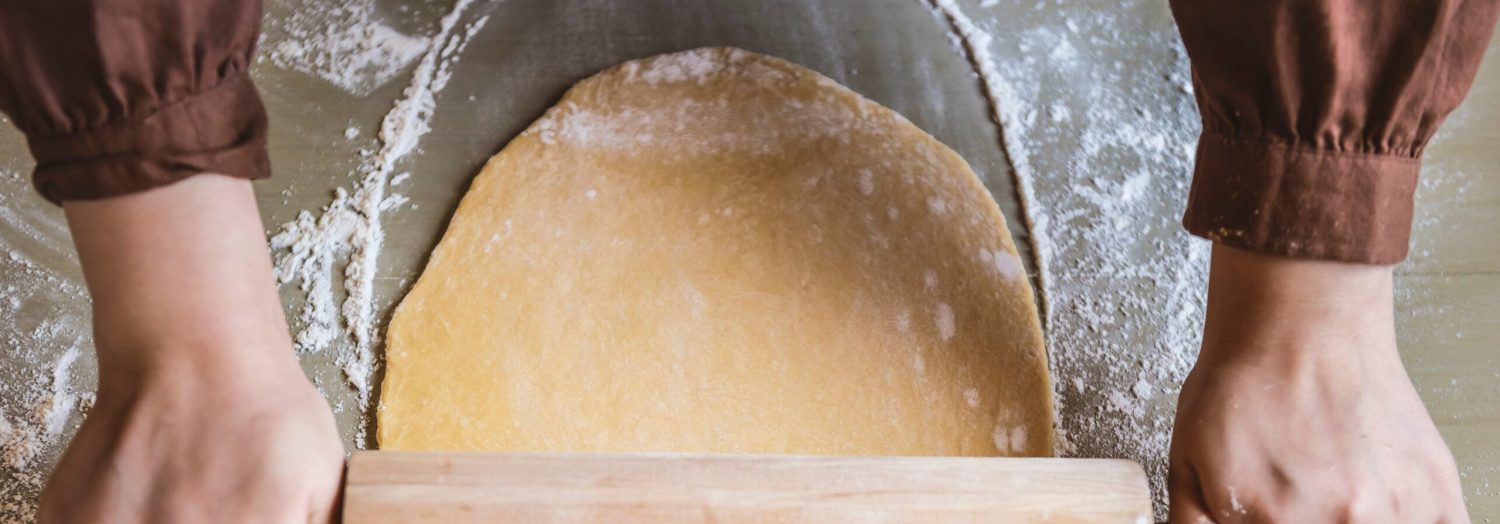

There's nothing quite like the aroma of freshly baked biscuits wafting through your kitchen. These biscuits are light, fluffy, and perfect for any meal, whether you're serving them with breakfast, lunch, or dinner. With just a few simple ingredients, you can whip up a batch of these delightful treats in no time.
Most of the ingredients for this biscuits recipe are common pantry staples. However, you might need to ensure you have unsalted butter on hand, as it is crucial for achieving the perfect texture and flavor. Additionally, make sure your baking powder is fresh, as it is essential for the biscuits to rise properly.

Ingredients For Biscuits Recipe
All-purpose flour: The base of the biscuits, providing structure and texture.
Baking powder: A leavening agent that helps the biscuits rise and become fluffy.
Salt: Enhances the flavor of the biscuits.
Unsalted butter: Adds richness and flakiness to the biscuits.
Milk: Brings the dough together and adds moisture.
Technique Tip for Perfect Biscuits
When cutting in the butter for your biscuits, make sure it is very cold. This helps create those desirable flaky layers. Use a pastry cutter or two knives to incorporate the butter into the flour mixture until it resembles coarse crumbs. If you notice the butter starting to soften, pop the mixture into the refrigerator for a few minutes to firm it up again. This step is crucial for achieving the perfect texture.
Suggested Side Dishes
Alternative Ingredients
all-purpose flour - Substitute with whole wheat flour: Whole wheat flour adds a nutty flavor and more fiber, though it may make the biscuits denser.
all-purpose flour - Substitute with gluten-free flour blend: For those with gluten intolerance, a gluten-free blend can be used to achieve a similar texture.
baking powder - Substitute with baking soda and cream of tartar: Use ¼ teaspoon baking soda and ½ teaspoon cream of tartar for each teaspoon of baking powder needed.
baking powder - Substitute with self-rising flour: Self-rising flour already contains baking powder and salt, so adjust the recipe accordingly.
salt - Substitute with sea salt: Sea salt can be used in the same quantity and adds a slightly different mineral flavor.
unsalted butter - Substitute with salted butter: If using salted butter, reduce the added salt in the recipe by half.
unsalted butter - Substitute with coconut oil: Coconut oil can be used for a dairy-free option, though it will impart a slight coconut flavor.
milk - Substitute with buttermilk: Buttermilk adds a tangy flavor and can make the biscuits more tender.
milk - Substitute with almond milk: Almond milk is a good dairy-free alternative, though it may slightly alter the flavor.
Alternative Recipes Similar to Biscuits
How to Store or Freeze Your Biscuits
Allow the biscuits to cool completely on a wire rack before storing or freezing. This prevents condensation, which can make them soggy.
For short-term storage, place the biscuits in an airtight container or a resealable plastic bag. Store at room temperature for up to 2 days. If you prefer, you can also wrap each biscuit individually in plastic wrap to maintain freshness.
To extend their shelf life, store the biscuits in the refrigerator. Place them in an airtight container or wrap them tightly in aluminum foil. They will stay fresh for up to a week.
For freezing, wrap each biscuit individually in plastic wrap or aluminum foil. This prevents them from sticking together and makes it easy to grab just one or two at a time.
Place the individually wrapped biscuits in a resealable freezer bag or an airtight container. Label the bag with the date to keep track of their freshness. They can be frozen for up to 3 months.
To reheat frozen biscuits, preheat your oven to 350°F (175°C). Place the biscuits on a baking sheet and bake for 10-15 minutes, or until heated through. Alternatively, you can microwave them on a microwave-safe plate for 20-30 seconds, but be aware that this may make them slightly softer.
If you prefer a crispier texture after reheating, you can place the biscuits under the broiler for a minute or two, watching closely to prevent burning.
For an extra touch of flavor, brush the reheated biscuits with melted butter or a drizzle of honey before serving.
How to Reheat Leftovers
Preheat your oven to 350°F (175°C). Place the biscuits on a baking sheet and cover them with aluminum foil to prevent them from drying out. Bake for about 10-15 minutes or until they are heated through.
For a quick reheat, use the microwave. Wrap each biscuit in a damp paper towel and place it on a microwave-safe plate. Heat on medium power for 20-30 seconds. Check if they are warm enough; if not, continue heating in 10-second intervals.
If you have an air fryer, preheat it to 320°F (160°C). Place the biscuits in the basket in a single layer. Heat for about 3-5 minutes, checking halfway through to ensure they don't overcook.
For a stovetop method, use a skillet over medium-low heat. Add a small amount of butter or olive oil to the skillet. Place the biscuits in the skillet and cover with a lid. Heat for about 2-3 minutes on each side or until warmed through.
If you prefer a toaster oven, preheat it to 350°F (175°C). Place the biscuits on a baking sheet and cover them with aluminum foil. Heat for about 10 minutes or until they are warm and slightly crispy on the outside.
Essential Tools for Baking Biscuits
Oven: Used to bake the biscuits at the required temperature of 425°F (220°C).
Mixing bowl: Used to combine the flour, baking powder, and salt.
Pastry cutter: Used to cut in the cold butter until the mixture resembles coarse crumbs.
Measuring cups: Used to measure the flour and milk accurately.
Measuring spoons: Used to measure the baking powder and salt accurately.
Rolling pin: Used to roll out the dough to about ½ inch thickness.
Biscuit cutter: Used to cut the dough into biscuit shapes.
Baking sheet: Used to place the biscuits on for baking.
Parchment paper: Used to line the baking sheet to prevent the biscuits from sticking.
Cooling rack: Used to cool the biscuits after baking.
Flour sifter: Used to sift the flour to ensure there are no lumps and to aerate it.
Spatula: Used to transfer the biscuits from the baking sheet to the cooling rack.
How to Save Time on Making Biscuits
Pre-measure ingredients: Measure out flour, baking powder, and salt ahead of time to streamline the process.
Use a food processor: Quickly cut in the cold butter by pulsing it with the dry ingredients in a food processor.
Chill the dough: Prepare the dough in advance and chill it in the fridge. This makes it easier to handle and saves time when you're ready to bake.
Skip the kneading: Instead of kneading, fold the dough a few times to incorporate air, which will save time and still yield flaky biscuits.
Freeze extras: Make a double batch and freeze the unbaked biscuits. Bake them directly from the freezer when needed.
Biscuits Recipe
Ingredients
Main Ingredients
- 2 cups All-purpose flour
- 1 tablespoon Baking powder
- ½ teaspoon Salt
- ½ cup Unsalted butter, cold and cubed
- ¾ cup Milk
Instructions
- Preheat your oven to 425°F (220°C).
- In a mixing bowl, combine flour, baking powder, and salt.
- Cut in the cold butter until the mixture resembles coarse crumbs.
- Gradually add milk, stirring until the dough comes together.
- Turn the dough onto a floured surface and knead gently.
- Roll out the dough to about ½ inch thickness and cut with a biscuit cutter.
- Place biscuits on a baking sheet and bake for 10-12 minutes or until golden brown.
Nutritional Value
Keywords
More Amazing Recipes to Try 🙂
- Mexican Fiesta Pasta Salad Recipe25 Minutes
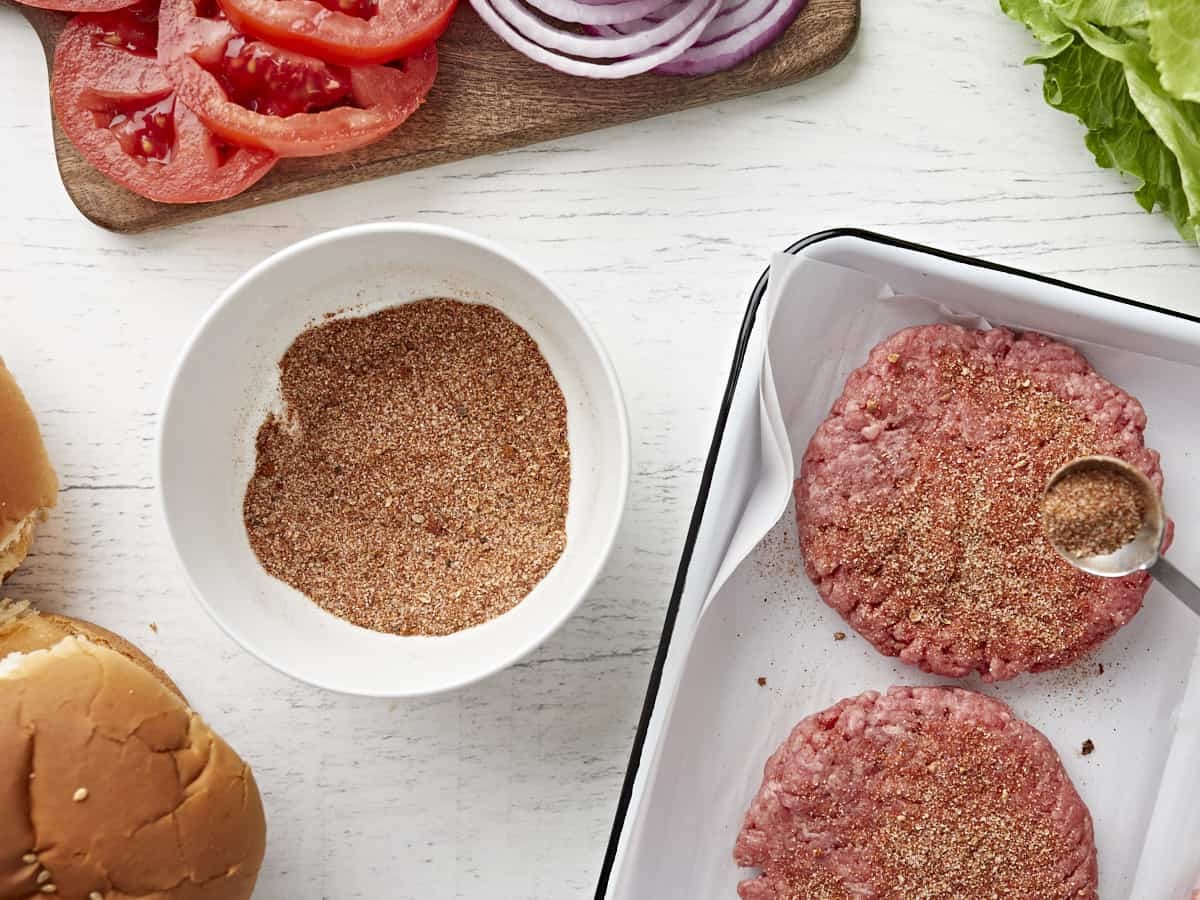
- Hamburger Seasoning Recipe5 Minutes
- Raspberry Almond Muffins Recipe35 Minutes
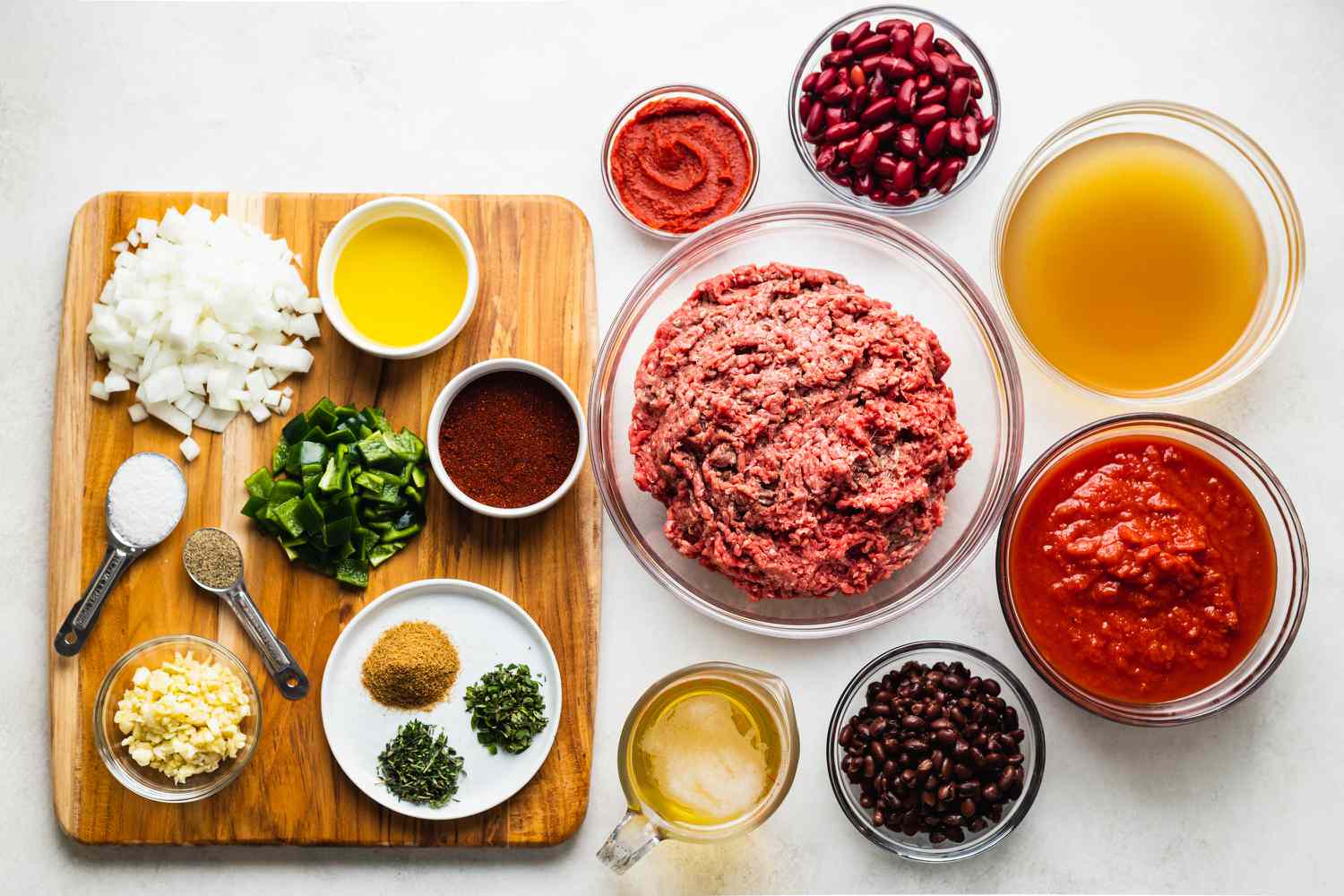
- Chili Recipe1 Hours 15 Minutes
- Cream Corn Recipe30 Minutes
- Pineapple Margarita Recipe10 Minutes
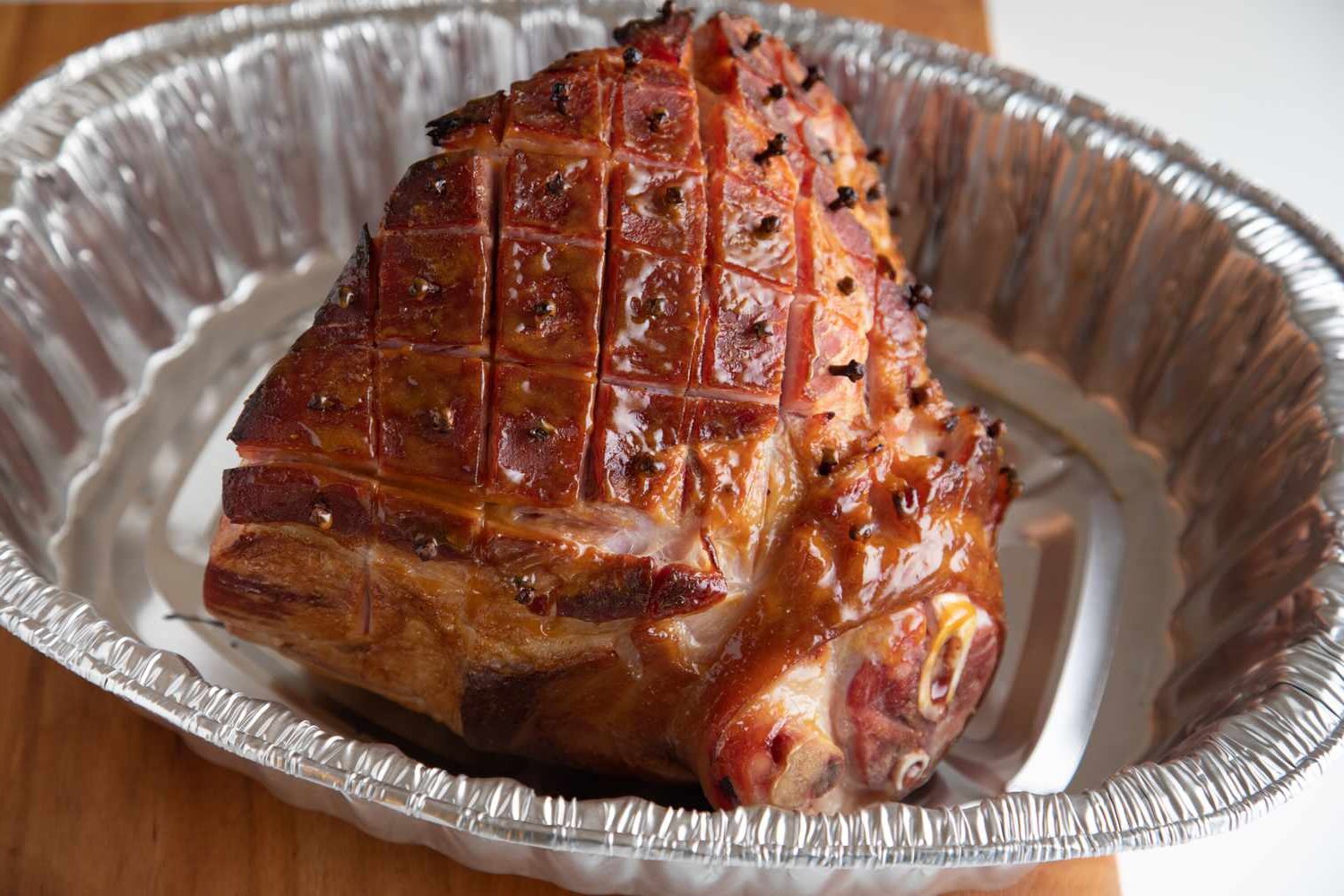
- Baked Ham Recipe2 Hours 15 Minutes
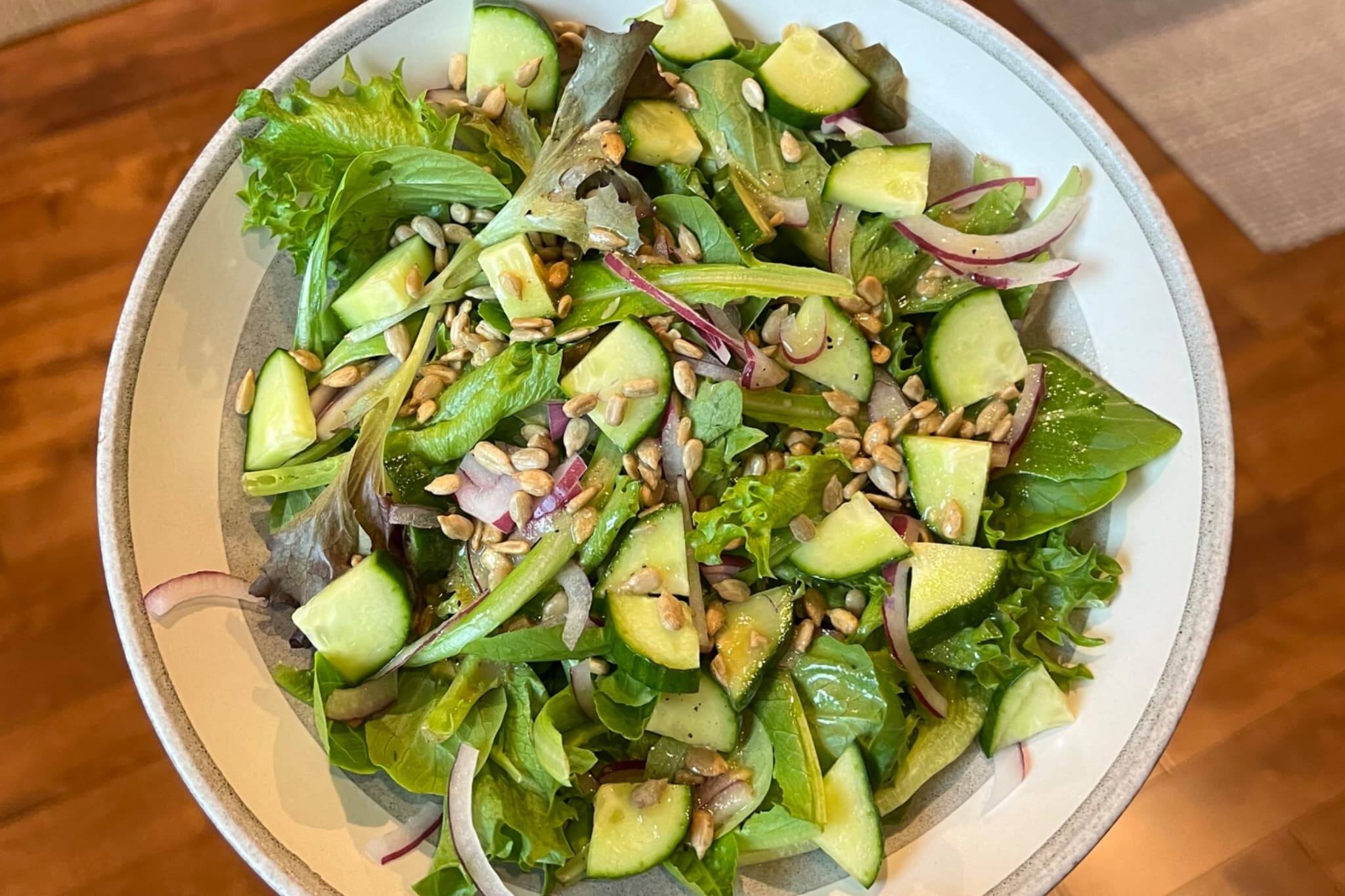
- Mixed Greens Recipe10 Minutes





Leave a Reply