

This delightful feta eggs recipe is a quick and easy way to elevate your breakfast or brunch. Combining the creamy texture of feta cheese with perfectly cooked eggs, this dish is both satisfying and flavorful. With just a few simple ingredients, you can create a meal that feels indulgent yet is incredibly simple to prepare.
If you don't usually keep feta cheese in your fridge, you might need to pick some up at the supermarket. Look for it in the cheese section, often near other specialty cheeses. Olive oil is another key ingredient; make sure to use a good quality one for the best flavor. The rest of the ingredients are common pantry staples.

Ingredients For Feta Eggs Recipe
Eggs: The base of the dish, providing protein and a rich, creamy texture.
Feta cheese: Adds a tangy, salty flavor that complements the eggs perfectly.
Olive oil: Used for cooking the eggs, it adds a subtle fruity flavor and helps prevent sticking.
Salt: Enhances the overall flavor of the dish.
Black pepper: Adds a touch of heat and depth to the flavor profile.
Technique Tip for This Recipe
When cooking the eggs, make sure to use a non-stick skillet to prevent them from sticking and breaking apart. To achieve perfectly runny yolks, keep a close eye on the heat and adjust as necessary. Adding the feta cheese towards the end ensures it melts slightly without becoming too runny, enhancing the overall texture and flavor.
Suggested Side Dishes
Alternative Ingredients
eggs - Substitute with egg whites: For a lower cholesterol option, you can use egg whites instead of whole eggs.
eggs - Substitute with tofu: Crumbled tofu can mimic the texture of scrambled eggs and is a great vegan alternative.
feta cheese - Substitute with goat cheese: Goat cheese has a similar tangy flavor and creamy texture, making it a good substitute for feta.
feta cheese - Substitute with ricotta cheese: Ricotta is milder but can provide a creamy texture similar to feta.
olive oil - Substitute with avocado oil: Avocado oil has a high smoke point and a neutral flavor, making it a good alternative to olive oil.
olive oil - Substitute with butter: Butter can add a rich flavor and is a common substitute for olive oil in cooking eggs.
salt - Substitute with soy sauce: Soy sauce can add a salty and umami flavor, but use sparingly to avoid overpowering the dish.
salt - Substitute with sea salt: Sea salt can provide a different texture and flavor profile compared to regular table salt.
black pepper - Substitute with white pepper: White pepper has a milder flavor and can be used as a substitute for black pepper.
black pepper - Substitute with paprika: Paprika can add a mild heat and a smoky flavor, offering a different twist to the dish.
Other Alternative Recipes
How to Store or Freeze This Dish
- Allow the feta eggs to cool completely before storing. This prevents condensation, which can make the eggs soggy.
- Transfer the cooled feta eggs to an airtight container. This helps maintain their freshness and prevents them from absorbing other odors in the fridge.
- Store the container in the refrigerator. The feta eggs will stay fresh for up to 3 days.
- For longer storage, consider freezing. Place the feta eggs in a single layer on a baking sheet and freeze until solid. This prevents them from sticking together.
- Once frozen, transfer the feta eggs to a freezer-safe bag or container. Label with the date to keep track of freshness.
- When ready to eat, thaw the feta eggs in the refrigerator overnight. Reheat gently in a skillet over low heat or in the microwave, covered with a damp paper towel to retain moisture.
- Avoid reheating feta eggs at high temperatures, as this can make the eggs rubbery and the feta cheese overly dry.
How to Reheat Leftovers
Stovetop Method:
- Heat a non-stick skillet over medium-low heat.
- Add a small amount of olive oil or butter to the skillet.
- Place the leftover feta eggs in the skillet.
- Cover the skillet with a lid to trap the heat and moisture.
- Heat for about 2-3 minutes, or until the eggs are warmed through.
- Stir occasionally to ensure even reheating.
Microwave Method:
- Place the feta eggs on a microwave-safe plate.
- Cover the plate with a microwave-safe lid or a damp paper towel to retain moisture.
- Microwave on medium power for 30-second intervals.
- Stir gently between intervals to ensure even heating.
- Continue until the eggs are heated through, usually about 1-2 minutes in total.
Oven Method:
- Preheat your oven to 300°F (150°C).
- Place the feta eggs in an oven-safe dish.
- Cover the dish with aluminum foil to prevent the eggs from drying out.
- Heat in the oven for about 10-15 minutes, or until the eggs are warmed through.
- Check occasionally to ensure they do not overcook.
Toaster Oven Method:
- Preheat the toaster oven to 300°F (150°C).
- Place the feta eggs on a toaster oven-safe tray.
- Cover the tray with aluminum foil.
- Heat for about 8-10 minutes, or until the eggs are thoroughly warmed.
- Stir gently halfway through to ensure even reheating.
Steam Method:
- Set up a steamer pot with a small amount of water and bring it to a simmer.
- Place the feta eggs in a heatproof dish that fits inside the steamer basket.
- Cover the dish with a lid or aluminum foil.
- Steam for about 5-7 minutes, or until the eggs are heated through.
- Check occasionally to ensure they are not overcooked.
Best Tools for This Recipe
Skillet: A flat-bottomed pan used for frying, searing, and browning foods. Essential for cooking the eggs and melting the feta cheese.
Spatula: A broad, flat utensil used for flipping or turning food. Useful for handling the eggs without breaking the yolks.
Measuring cup: A kitchen utensil used to measure the volume of liquid or bulk solid cooking ingredients. Needed to measure the olive oil and feta cheese accurately.
Small bowl: A bowl used for holding ingredients. Handy for cracking the eggs into before adding them to the skillet to ensure no shell fragments get in.
Whisk: A kitchen tool used for blending ingredients smoothly. Optional, but can be used to beat the eggs if you prefer scrambled feta eggs.
Knife: A tool with a sharp blade used for cutting. Useful for crumbling the feta cheese if it’s in a block.
Cutting board: A durable board on which to place material for cutting. Used in conjunction with the knife for crumbling the feta cheese.
Salt shaker: A container with perforations on top used to sprinkle salt. Needed for seasoning the eggs.
Pepper grinder: A device used to grind peppercorns into fresh pepper. Needed for seasoning the eggs with black pepper.
How to Save Time on This Recipe
Pre-crumble the feta: Save time by pre-crumbing the feta cheese and storing it in an airtight container in the fridge.
Use non-stick skillet: A non-stick skillet ensures the eggs cook evenly and are easier to handle, reducing cleanup time.
Prep ingredients ahead: Measure out the olive oil, salt, and black pepper in advance to streamline the cooking process.
Cook multiple servings: If cooking for more people, use a larger skillet to cook multiple servings at once, saving time on individual batches.
Feta Eggs Recipe
Ingredients
Main Ingredients
- 4 Eggs
- ¼ cup Feta cheese, crumbled
- 1 tablespoon Olive oil
- 1 pinch Salt to taste
- 1 pinch Black pepper to taste
Instructions
- 1. Heat the olive oil in a skillet over medium heat.
- 2. Crack the eggs into the skillet and cook until the whites are set but the yolks are still runny, about 3-4 minutes.
- 3. Sprinkle the crumbled feta cheese over the eggs and cook for another 1-2 minutes until the cheese is slightly melted.
- 4. Season with salt and black pepper to taste. Serve immediately.
Nutritional Value
Keywords
More Amazing Recipes to Try 🙂
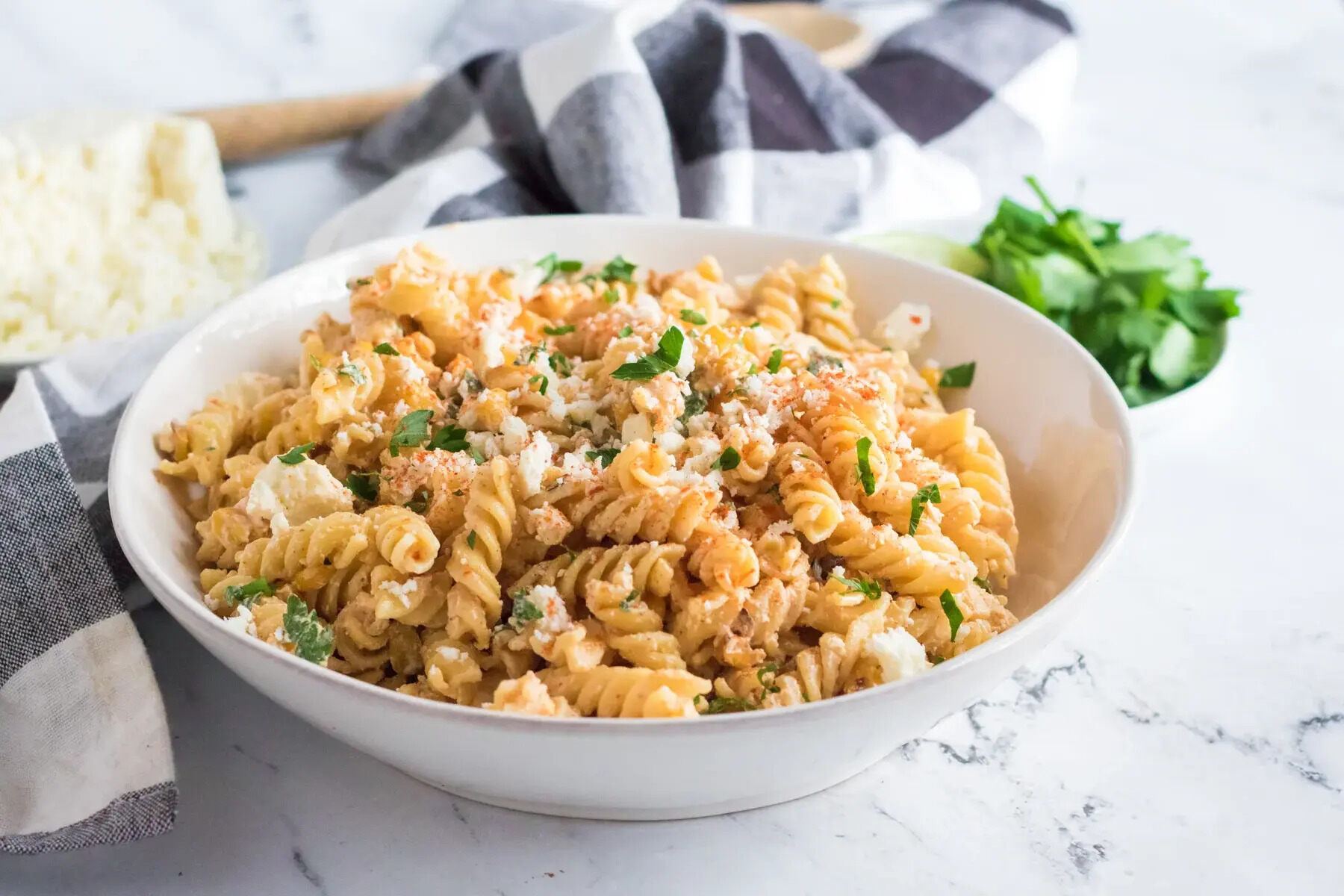
- Mexican Fiesta Pasta Salad Recipe25 Minutes
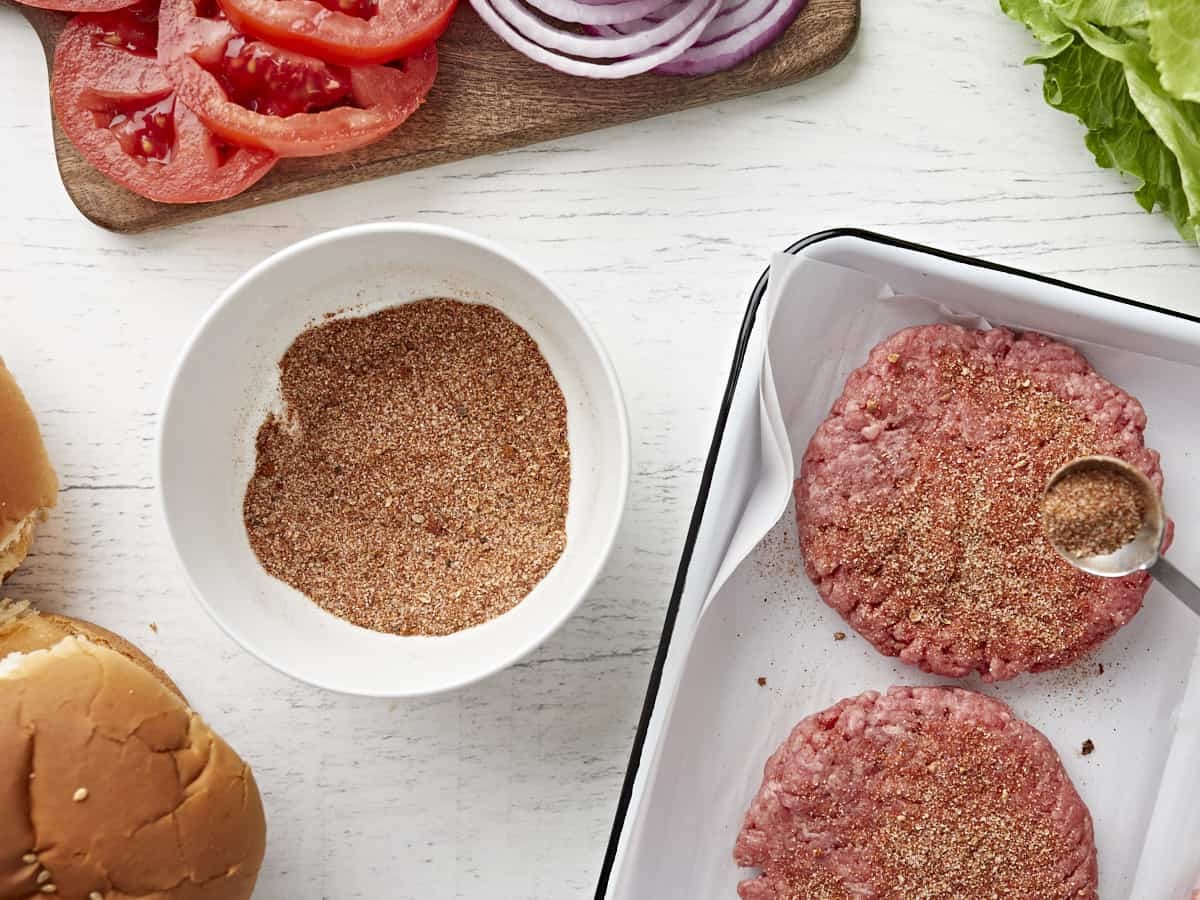
- Hamburger Seasoning Recipe5 Minutes
- Raspberry Almond Muffins Recipe35 Minutes
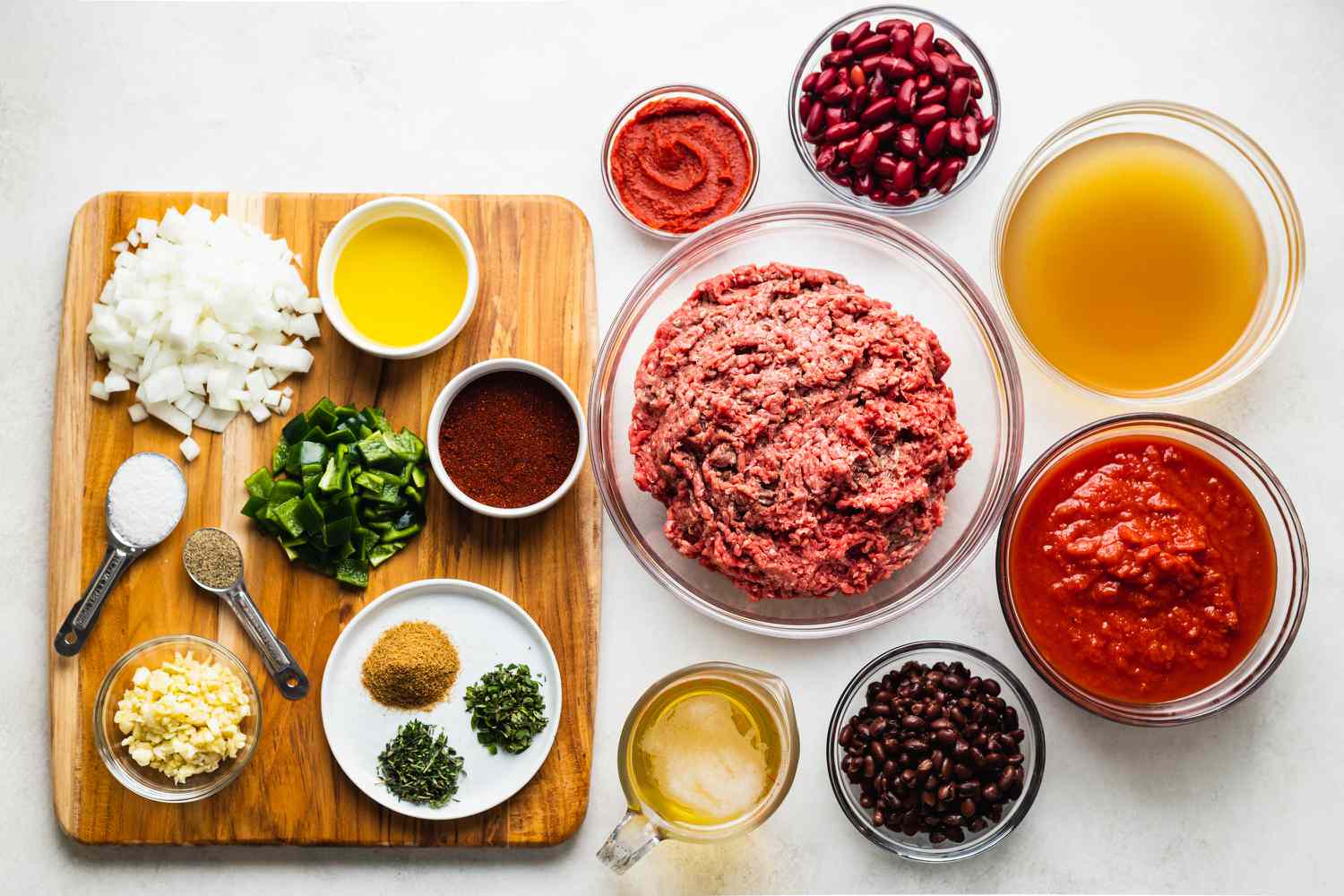
- Chili Recipe1 Hours 15 Minutes
- Cream Corn Recipe30 Minutes
- Pineapple Margarita Recipe10 Minutes
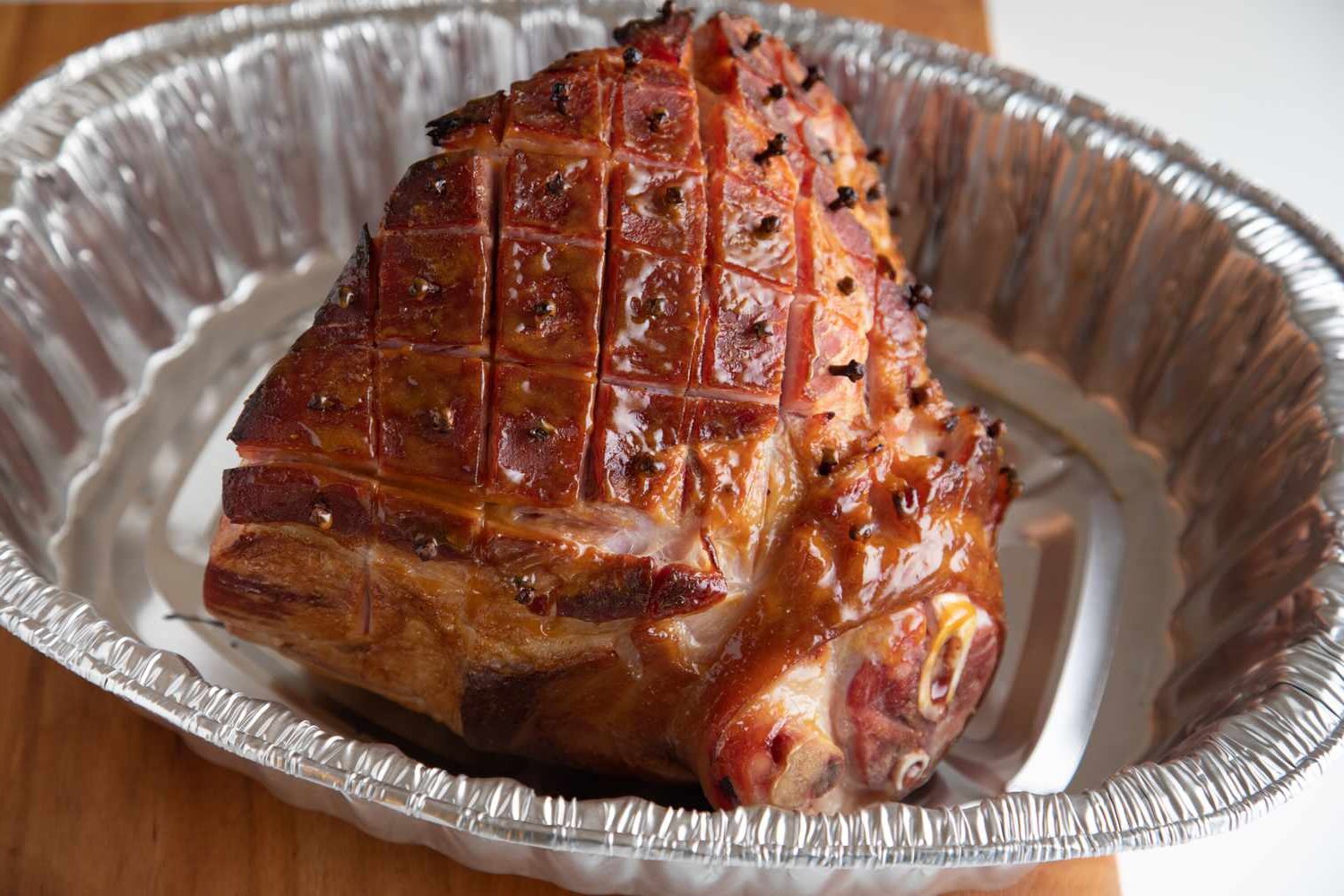
- Baked Ham Recipe2 Hours 15 Minutes
- Mixed Greens Recipe10 Minutes







Leave a Reply