
Creating a sourdough starter is a rewarding process that allows you to bake delicious, tangy sourdough bread at home. This simple recipe requires just two ingredients and a bit of patience. Over the course of five days, you'll cultivate a lively, bubbly starter that will be the foundation of your sourdough baking adventures.
The key ingredients for this recipe are whole wheat flour and all-purpose flour. While whole wheat flour might not be a staple in every pantry, it is essential for the initial development of the starter due to its higher nutrient content. Make sure to pick up a fresh bag from the supermarket if you don't have it at home.
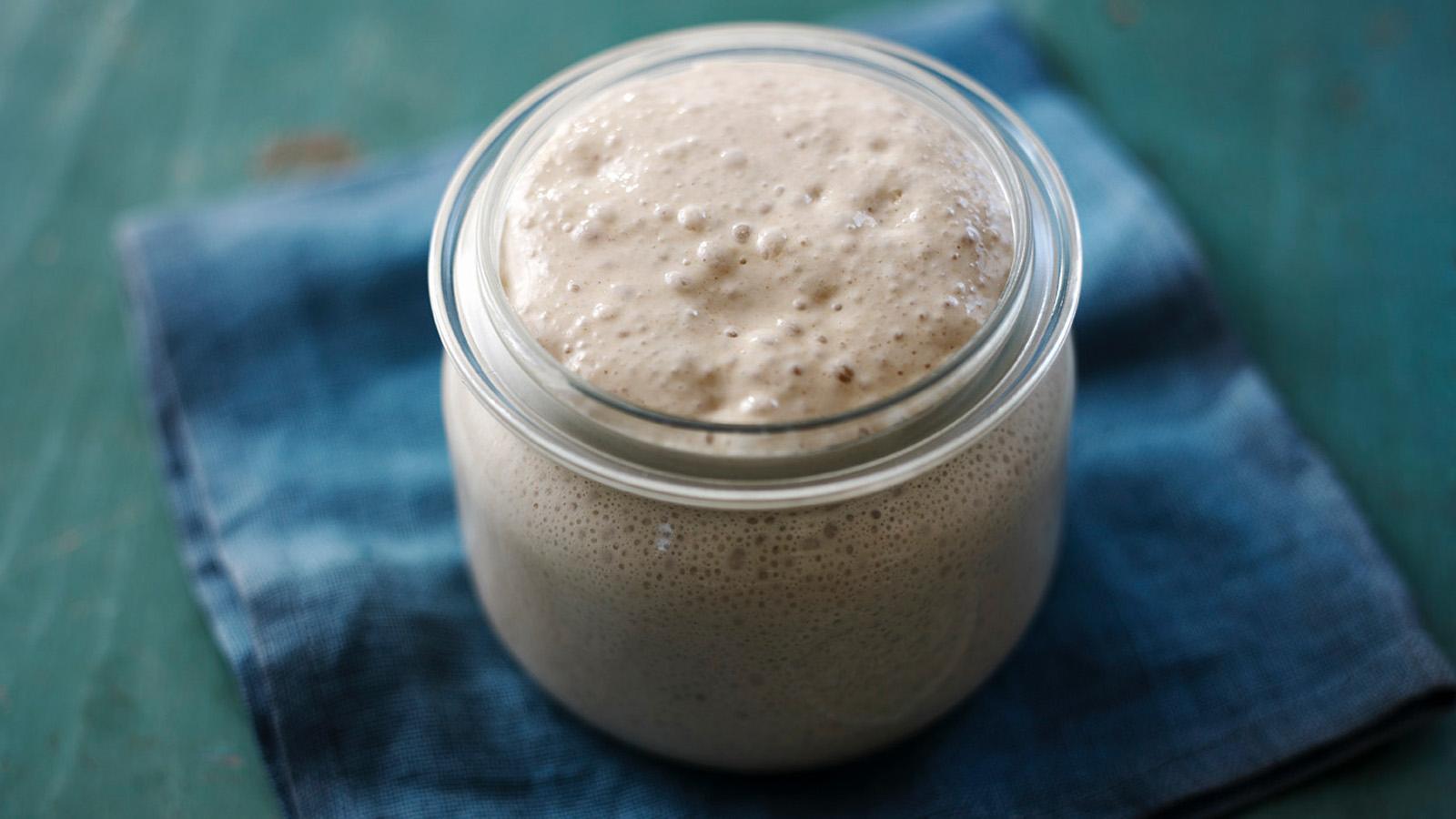
Ingredients For Sourdough Starter Recipe
Whole wheat flour: This flour is made from the entire wheat kernel, providing more nutrients and natural yeast, which are crucial for starting the fermentation process.
All-purpose flour: A versatile flour that will be used to feed the starter after the initial day. It helps maintain the starter's growth and activity.
Water: Room temperature water is used to mix with the flour, creating the right environment for the natural yeast and bacteria to thrive.
Technique Tip for Sourdough Starter
When feeding your sourdough starter, ensure that the water you use is room temperature. Cold water can slow down the fermentation process, while hot water can kill the natural yeast and bacteria. Additionally, use a glass jar to monitor the progress of your starter easily. The transparency allows you to see the bubbles and rise, which are indicators of a healthy starter.
Suggested Side Dishes
Alternative Ingredients
whole wheat flour - Substitute with rye flour: Rye flour has a similar nutrient profile and can help create a robust and tangy flavor in the sourdough starter.
whole wheat flour - Substitute with all-purpose flour: While it lacks the same level of nutrients, all-purpose flour can still be used to create a viable sourdough starter.
room temperature water - Substitute with filtered water: Using filtered water ensures that there are no chlorine or impurities that might inhibit the growth of the natural yeast and bacteria in the sourdough starter.
room temperature water - Substitute with bottled spring water: Bottled spring water is free from chlorine and other chemicals, making it a good choice for maintaining the health of your sourdough starter.
Alternative Recipes Similar to Sourdough Starter
How to Store or Freeze Your Sourdough Starter
To keep your sourdough starter fresh and ready for action, store it in a glass jar with a loose-fitting lid. This allows the starter to breathe while preventing any unwanted debris from getting in.
If you plan to use your starter frequently, keep it at room temperature and feed it daily. This ensures it remains active and bubbly, perfect for baking bread or other sourdough recipes.
For less frequent use, store your starter in the refrigerator. Feed it once a week to keep it alive. Simply take it out, let it come to room temperature, discard half, and feed it with 1 cup of all-purpose flour and 1 cup of water.
When you're ready to bake, take the starter out of the fridge a day or two in advance. Feed it as usual and let it sit at room temperature until it's bubbly and active.
To freeze your sourdough starter, first ensure it's well-fed and active. Place it in a clean, airtight container, leaving some room for expansion. Label the container with the date and freeze.
When you're ready to use the frozen starter, thaw it in the refrigerator overnight. Once thawed, let it come to room temperature, discard half, and feed it. It may take a few feedings to become fully active again, so plan ahead.
For long-term storage, you can dry your starter. Spread a thin layer on a piece of parchment paper and let it air dry completely. Once dry, break it into pieces and store in an airtight container. To reactivate, dissolve the dried pieces in water and feed as usual.
Always keep an eye on your starter. If it develops an off smell, mold, or changes color, it's best to discard it and start fresh. A healthy sourdough starter should have a pleasant, tangy aroma and be free of any discoloration.
How to Reheat Leftovers
preheat your oven to 350°F (175°C). place the sourdough bread slices directly on the oven rack or on a baking sheet. bake for about 10 minutes or until the bread is warm and slightly crispy.
for a quicker method, use a toaster. toast the sourdough bread slices on a medium setting until they are warm and have a slight crunch.
if you prefer a softer texture, wrap the sourdough bread slices in aluminum foil and place them in a preheated oven at 350°F (175°C) for about 10 minutes. this will keep the bread warm without making it too crispy.
to reheat sourdough bread in a microwave, wrap the slices in a damp paper towel and microwave on medium power for about 10-15 seconds. be cautious not to overheat, as this can make the bread chewy.
for a stovetop method, heat a skillet over medium heat. place the sourdough bread slices in the skillet and cover with a lid. heat for about 2-3 minutes on each side, or until the bread is warm and slightly toasted.
if you have a steam oven, use the steam reheat function to gently warm the sourdough bread. this method helps retain moisture and keeps the bread soft.
for a gourmet touch, brush the sourdough bread slices with olive oil or butter before reheating in the oven or on the stovetop. this adds a delicious flavor and a slight crispiness to the bread.
Best Tools for Making Sourdough Starter
Glass jar: A clear container that allows you to observe the fermentation process and see the bubbles forming in the starter.
Cloth: Used to cover the jar, allowing airflow while keeping out dust and insects.
Mixing spoon: Essential for stirring the flour and water mixture thoroughly to ensure even hydration.
Measuring cup: Ensures accurate measurement of flour and water, which is crucial for the consistency of the starter.
Rubber band: Useful for marking the level of the starter on the jar, so you can track its growth.
Kitchen scale: Optional but helpful for more precise measurements, especially if you prefer to weigh your ingredients.
How to Save Time on Making Sourdough Starter
Use warm water: Warm water speeds up the fermentation process, helping your sourdough starter become active faster.
Pre-measure ingredients: Measure out your flour and water in advance to streamline the daily feeding process.
Set reminders: Use phone alarms or calendar alerts to remind you to feed your starter at the same time each day.
Keep it in a warm spot: Place your starter in a consistently warm area to encourage quicker fermentation.
Use a clear jar: A clear jar helps you easily monitor the bubbles and activity level of your starter.
Sourdough Starter Recipe
Ingredients
Starter Ingredients
- 1 cup Whole wheat flour
- 1 cup Water Room temperature
Instructions
- Day 1: In a glass jar, mix 1 cup of whole wheat flour with 1 cup of water. Stir well, cover with a cloth, and let it sit at room temperature for 24 hours.
- Day 2: Discard half of the starter. Add 1 cup of all-purpose flour and 1 cup of water to the remaining starter. Stir well, cover, and let it sit for another 24 hours.
- Day 3-5: Repeat the process of discarding half and feeding the starter with 1 cup of all-purpose flour and 1 cup of water every 24 hours. By day 5, the starter should be bubbly and have a pleasant sour smell.
Nutritional Value
Keywords
More Amazing Recipes to Try 🙂
- Mexican Fiesta Pasta Salad Recipe25 Minutes
- Hamburger Seasoning Recipe5 Minutes
- Raspberry Almond Muffins Recipe35 Minutes
- Chili Recipe1 Hours 15 Minutes
- Cream Corn Recipe30 Minutes
- Pineapple Margarita Recipe10 Minutes
- Baked Ham Recipe2 Hours 15 Minutes
- Mixed Greens Recipe10 Minutes








Leave a Reply