

Creating your own ketchup at home is a rewarding experience that allows you to control the flavors and ingredients. This homemade version is rich, tangy, and perfectly balanced with a hint of spice. It's a fantastic way to elevate your condiments and impress your friends and family.
While most of the ingredients for this ketchup recipe are common pantry staples, there are a few you might need to pick up at the supermarket. Allspice and cloves are spices that may not be in every kitchen, but they add a unique depth of flavor to the ketchup. Make sure to check the spice aisle for these. Additionally, apple cider vinegar is essential for that tangy kick, so don't skip it.
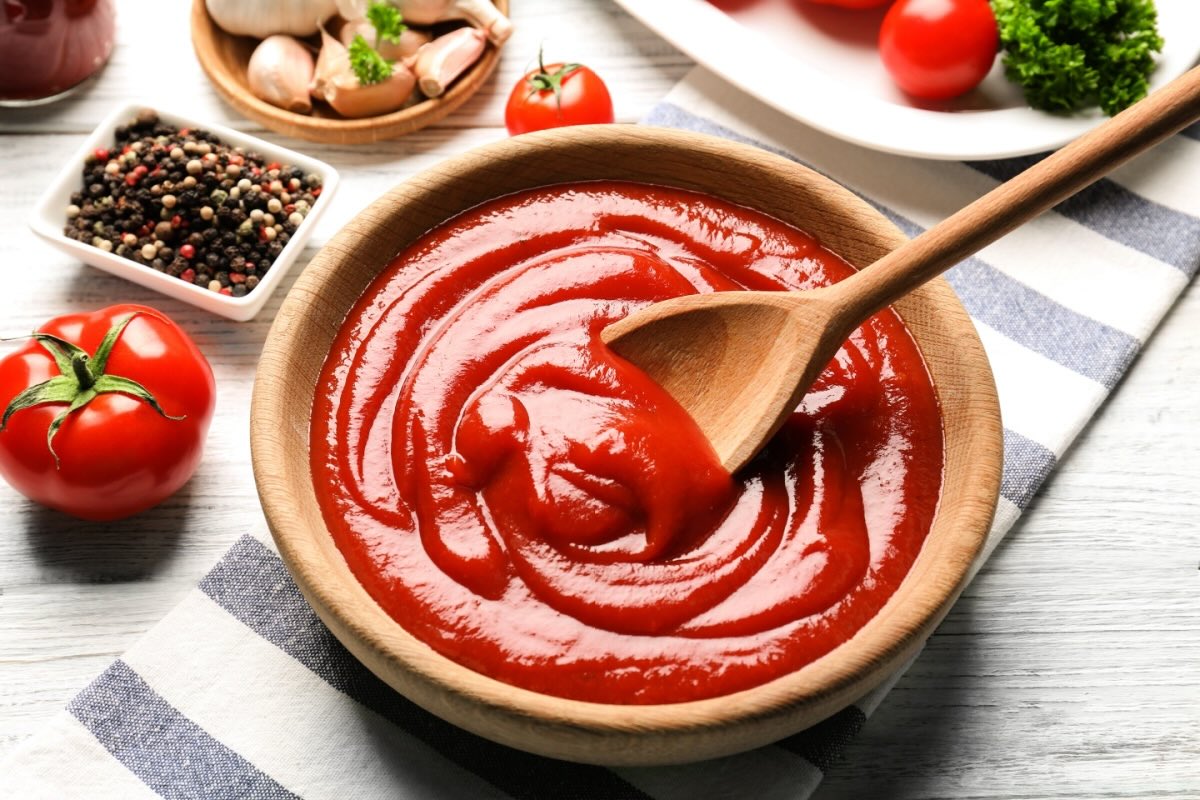
Ingredients For Ketchup Recipe
Tomato paste: Provides the rich tomato base for the ketchup.
Apple cider vinegar: Adds acidity and tanginess to balance the sweetness.
Brown sugar: Sweetens the ketchup and adds a hint of molasses flavor.
Salt: Enhances all the flavors in the ketchup.
Onion powder: Adds a subtle onion flavor without the texture.
Garlic powder: Provides a mild garlic flavor that complements the tomatoes.
Allspice: Adds a warm, slightly sweet, and spicy flavor.
Cloves: Contributes a strong, aromatic flavor that enhances the overall taste.
Cayenne pepper: Adds a touch of heat to the ketchup.
Water: Helps to achieve the desired consistency.
Technique Tip for This Recipe
When making ketchup, it's crucial to allow the sauce to simmer for the full 30 minutes. This not only helps to meld the flavors together but also thickens the mixture to the desired consistency. Stirring occasionally prevents the sauce from sticking to the bottom of the saucepan and burning, which can impart a bitter taste. After blending, straining the ketchup through a fine mesh strainer ensures a smooth texture, free of any unwanted bits.
Suggested Side Dishes
Alternative Ingredients
tomato paste - Substitute with crushed tomatoes: Crushed tomatoes provide a similar tomato base but may need to be cooked down to achieve the same thickness as tomato paste.
apple cider vinegar - Substitute with white vinegar: White vinegar has a similar acidity level, though it lacks the slight sweetness of apple cider vinegar.
brown sugar - Substitute with white sugar: White sugar can be used, but you may want to add a small amount of molasses to mimic the depth of flavor in brown sugar.
salt - Substitute with soy sauce: Soy sauce can add a similar salty flavor along with a bit of umami, though it will change the color slightly.
onion powder - Substitute with fresh onions: Fresh onions can be sautéed and then blended into the mixture, though this will add a bit more moisture.
garlic powder - Substitute with fresh garlic: Fresh garlic can be minced and added, providing a more robust garlic flavor.
allspice - Substitute with cinnamon and cloves: A mix of cinnamon and cloves can mimic the warm, spicy notes of allspice.
cloves - Substitute with nutmeg: Nutmeg can provide a similar warm, spicy undertone, though it is slightly sweeter.
cayenne pepper - Substitute with paprika: Paprika can add a mild heat and a similar color, though it is less spicy than cayenne pepper.
water - Substitute with vegetable broth: Vegetable broth can add a bit more depth of flavor compared to plain water.
Other Alternative Recipes
How to Store or Freeze
Allow the ketchup to cool completely before storing. This helps prevent condensation, which can lead to spoilage.
Transfer the cooled ketchup into a sterilized glass jar or an airtight container. Sterilizing the jar ensures that no bacteria will spoil your homemade condiment.
Seal the jar tightly and label it with the date. Homemade ketchup typically lasts for about 3 weeks when stored in the refrigerator.
For longer storage, consider freezing the ketchup. Pour it into ice cube trays and freeze until solid. Once frozen, transfer the ketchup cubes into a freezer-safe bag or container. This method allows you to thaw only what you need.
When ready to use, thaw the desired amount of ketchup in the refrigerator overnight or at room temperature for a few hours. Stir well before serving to ensure a smooth consistency.
Avoid storing ketchup in metal containers as the acidity can react with the metal, affecting the flavor and safety of your condiment.
If you notice any off smells, colors, or mold, discard the ketchup immediately. Proper storage is key to maintaining the quality and safety of your homemade ketchup.
How to Reheat Leftovers
Gently warm the ketchup in a small saucepan over low heat, stirring occasionally to ensure even heating. This method helps maintain the sauce's consistency and flavor.
For a quick option, microwave the ketchup in a microwave-safe bowl. Cover the bowl with a microwave-safe lid or plate to prevent splatters. Heat in 15-second intervals, stirring between each interval until the desired temperature is reached.
If you prefer a more hands-off approach, place the ketchup in a heatproof bowl and set it over a pot of simmering water (double boiler method). Stir occasionally until the ketchup is warmed through. This method ensures gentle and even heating without the risk of burning.
For a smoky twist, reheat the ketchup on a grill. Place the ketchup in a heatproof dish and set it on the grill over indirect heat. Stir occasionally until warmed. This method can add a subtle smoky flavor to the ketchup.
Best Tools for This Recipe
Saucepan: Use this to combine and cook all the ingredients over medium heat.
Wooden spoon: Ideal for stirring the mixture occasionally as it simmers.
Blender: Blend the mixture until smooth after it has simmered.
Fine mesh strainer: Strain the blended ketchup to remove any solids and achieve a smooth consistency.
Sterilized jar: Store the cooled ketchup in this to keep it fresh.
Measuring cups: Measure out the tomato paste, apple cider vinegar, brown sugar, and water accurately.
Measuring spoons: Measure out the salt, onion powder, garlic powder, allspice, cloves, and cayenne pepper precisely.
How to Save Time on Making This Recipe
Use pre-made tomato paste: Save time by using tomato paste instead of fresh tomatoes.
Measure ingredients beforehand: Have all ingredients measured and ready to go before you start cooking.
Simmer with a lid: Cover the saucepan while simmering to reduce cooking time.
Use an immersion blender: Blend the mixture directly in the saucepan with an immersion blender to save time on transferring and cleaning.
Skip straining: If you don't mind a slightly chunkier texture, skip the straining step to save time.
Ketchup Recipe
Ingredients
Main Ingredients
- 2 cups Tomato paste
- ½ cup Apple cider vinegar
- ½ cup Brown sugar
- 1 teaspoon Salt
- ½ teaspoon Onion powder
- ½ teaspoon Garlic powder
- ¼ teaspoon Allspice
- ¼ teaspoon Cloves
- ¼ teaspoon Cayenne pepper
- 1 cup Water
Instructions
- Combine all ingredients in a saucepan over medium heat.
- Bring to a boil, then reduce heat and simmer for 30 minutes, stirring occasionally.
- Blend the mixture until smooth.
- Strain the ketchup through a fine mesh strainer.
- Let cool and store in a sterilized jar.
Nutritional Value
Keywords
More Amazing Recipes to Try 🙂
- Mexican Fiesta Pasta Salad Recipe25 Minutes
- Hamburger Seasoning Recipe5 Minutes
- Raspberry Almond Muffins Recipe35 Minutes
- Chili Recipe1 Hours 15 Minutes
- Cream Corn Recipe30 Minutes
- Pineapple Margarita Recipe10 Minutes
- Baked Ham Recipe2 Hours 15 Minutes
- Mixed Greens Recipe10 Minutes









Leave a Reply