
Creating homemade buttermilk is a simple and quick process that can elevate your baking and cooking. This easy recipe requires just two common ingredients and a few minutes of your time. Perfect for those moments when you need buttermilk but don't have any on hand.
If you don't usually keep lemon juice or white vinegar in your pantry, you might need to pick some up at the supermarket. These acidic ingredients are essential for curdling the milk and creating the tangy flavor characteristic of buttermilk.
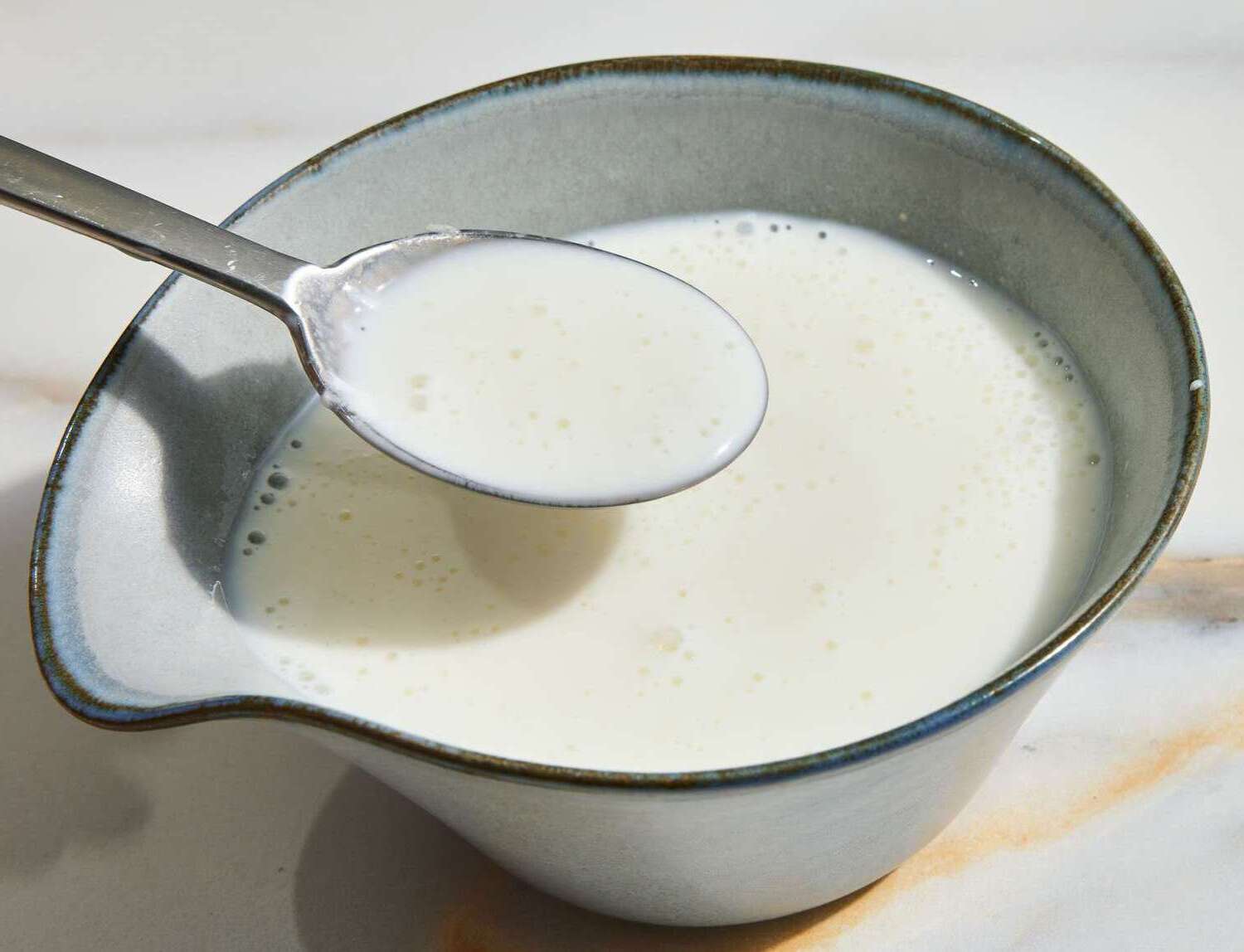
Ingredients for Buttermilk Recipe
Milk: The base of the recipe, preferably whole milk for a richer texture.
Lemon juice: Provides the necessary acidity to curdle the milk and create buttermilk.
White vinegar: An alternative to lemon juice, also used to curdle the milk.
Technique Tip for This Recipe
When making buttermilk, ensure that the milk is at room temperature before adding the lemon juice or vinegar. This helps the acid to curdle the milk more effectively, giving you a better consistency for your recipe.
Suggested Side Dishes
Alternative Ingredients
Whole milk - Substitute with 2% milk: If you don't have whole milk, 2% milk can be used. It has slightly less fat but will still curdle with the acid to create a similar texture and flavor.
Whole milk - Substitute with almond milk: For a dairy-free option, almond milk can be used. It will curdle when mixed with acid, providing a similar tangy flavor.
Lemon juice - Substitute with white vinegar: Both acids will cause the milk to curdle, creating the desired buttermilk texture and tang.
Lemon juice - Substitute with apple cider vinegar: Apple cider vinegar can also be used as it has a similar acidity level to lemon juice and will produce the same curdling effect.
Other Alternative Recipes
How to Store or Freeze This Dish
Buttermilk can be stored in the refrigerator for up to 1 week. Pour it into an airtight container to maintain its freshness and prevent it from absorbing any unwanted odors from other foods.
If you have a surplus of buttermilk, freezing is a great option. Pour the buttermilk into ice cube trays and freeze until solid. Once frozen, transfer the cubes to a resealable plastic bag or airtight container. This method allows you to thaw only the amount you need for your next recipe.
When you're ready to use frozen buttermilk, simply take out the desired number of cubes and let them thaw in the refrigerator or at room temperature. Give it a good stir before using, as it may separate slightly during the freezing process.
For baking purposes, you can also freeze buttermilk in pre-measured portions. Use small containers or freezer bags, labeling each with the amount and date. This way, you can easily grab the exact quantity needed for your cakes, biscuits, or pancakes.
If you notice any changes in smell, color, or texture, it's best to discard the buttermilk. Freshness is key to achieving the best results in your culinary creations.
Always remember to shake or stir your buttermilk well before using, especially if it has been stored for a few days. This ensures that any settled solids are evenly distributed, giving you the perfect consistency for your recipes.
How to Reheat Leftovers
Pour the milk into a measuring cup.
Add the lemon juice or vinegar to the milk.
Stir well and let it sit for 5-10 minutes until it curdles.
Use as needed in your recipe.
Reheat on the stove: Pour the buttermilk into a small saucepan. Warm it over low heat, stirring occasionally, until it reaches the desired temperature. Be careful not to let it boil, as this can cause it to separate.
Microwave method: Pour the buttermilk into a microwave-safe container. Heat it in short bursts of 15-20 seconds, stirring in between, until it reaches the desired warmth. This method is quick but requires close attention to avoid overheating.
Double boiler: Place the buttermilk in a heatproof bowl. Set the bowl over a pot of simmering water, ensuring the bottom of the bowl doesn't touch the water. Stir occasionally until warmed through. This gentle method helps prevent curdling.
Warm water bath: Place the container of buttermilk in a larger bowl filled with warm water. Let it sit, stirring occasionally, until it reaches the desired temperature. This method is slow but ensures even heating without the risk of curdling.
Best Tools for This Recipe
Measuring cup: Use this to accurately measure 1 cup of milk.
Tablespoon: This is essential for measuring out 1 tablespoon of lemon juice or vinegar.
Spoon: A spoon is needed to stir the milk and acid together.
Timer: Set this to keep track of the 5-10 minutes needed for the milk to curdle.
Mixing bowl: Optional, but can be used if you prefer to mix the ingredients in a bowl instead of a measuring cup.
How to Save Time on This Recipe
Use room temperature milk: Cold milk takes longer to curdle. Let it sit out for a few minutes before adding lemon juice or vinegar.
Measure accurately: Use a proper measuring cup to ensure you get the right proportions for the milk and acid.
Stir thoroughly: Mix the milk and acid well to ensure even curdling.
Prepare in advance: Make a larger batch and store it in the fridge for up to a week, so you always have buttermilk on hand.
Use a timer: Set a timer for 5-10 minutes to avoid over-curdling and ensure perfect consistency.
Buttermilk Recipe
Ingredients
Main Ingredients
- 1 cup Milk preferably whole milk
- 1 tablespoon Lemon juice or white vinegar
Instructions
- 1. Pour the milk into a measuring cup.
- 2. Add the lemon juice or vinegar to the milk.
- 3. Stir well and let it sit for 5-10 minutes until it curdles.
- 4. Use as needed in your recipe.
Nutritional Value
Keywords
More Amazing Recipes to Try 🙂
- Mexican Fiesta Pasta Salad Recipe25 Minutes
- Hamburger Seasoning Recipe5 Minutes
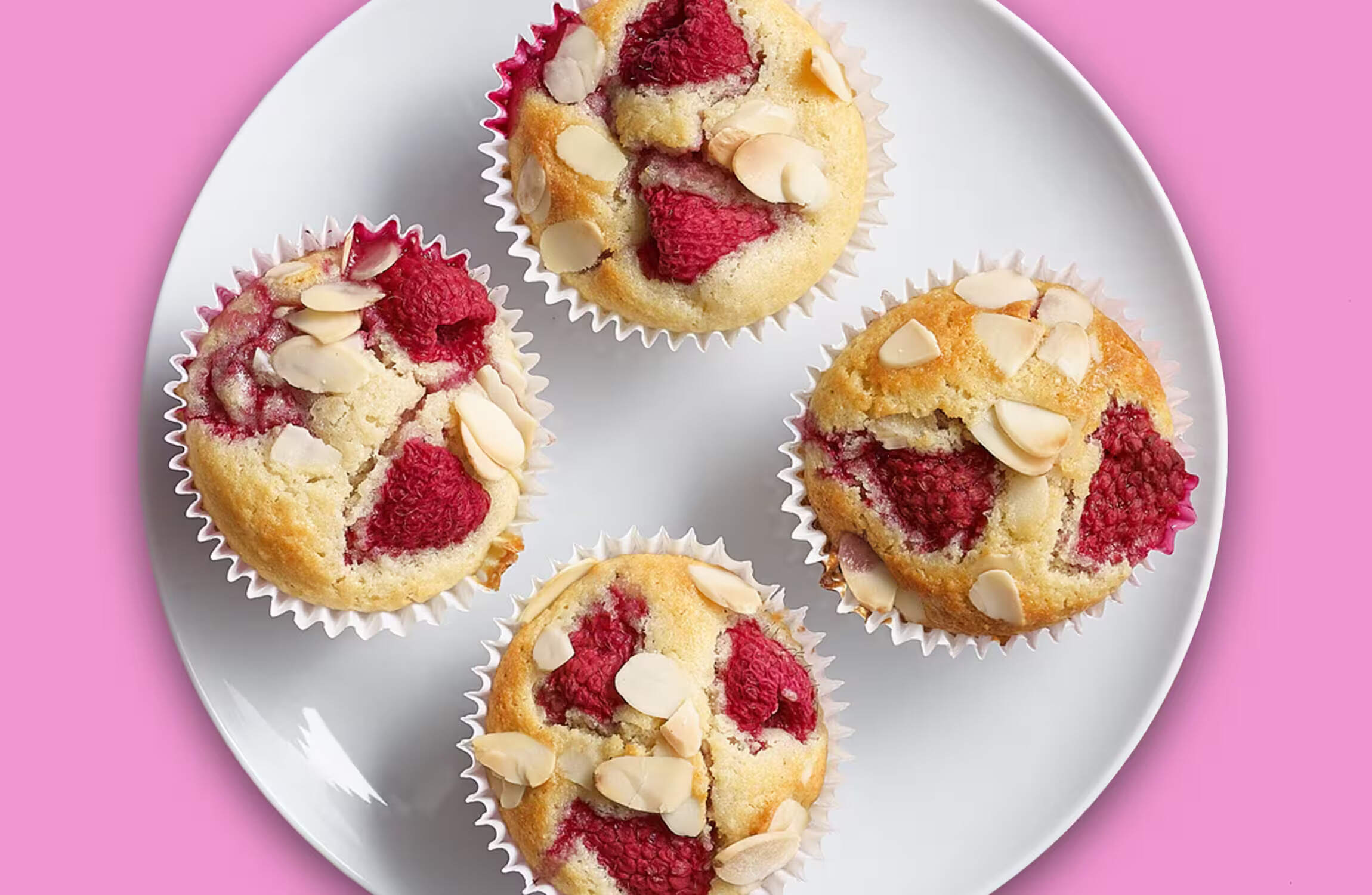
- Raspberry Almond Muffins Recipe35 Minutes
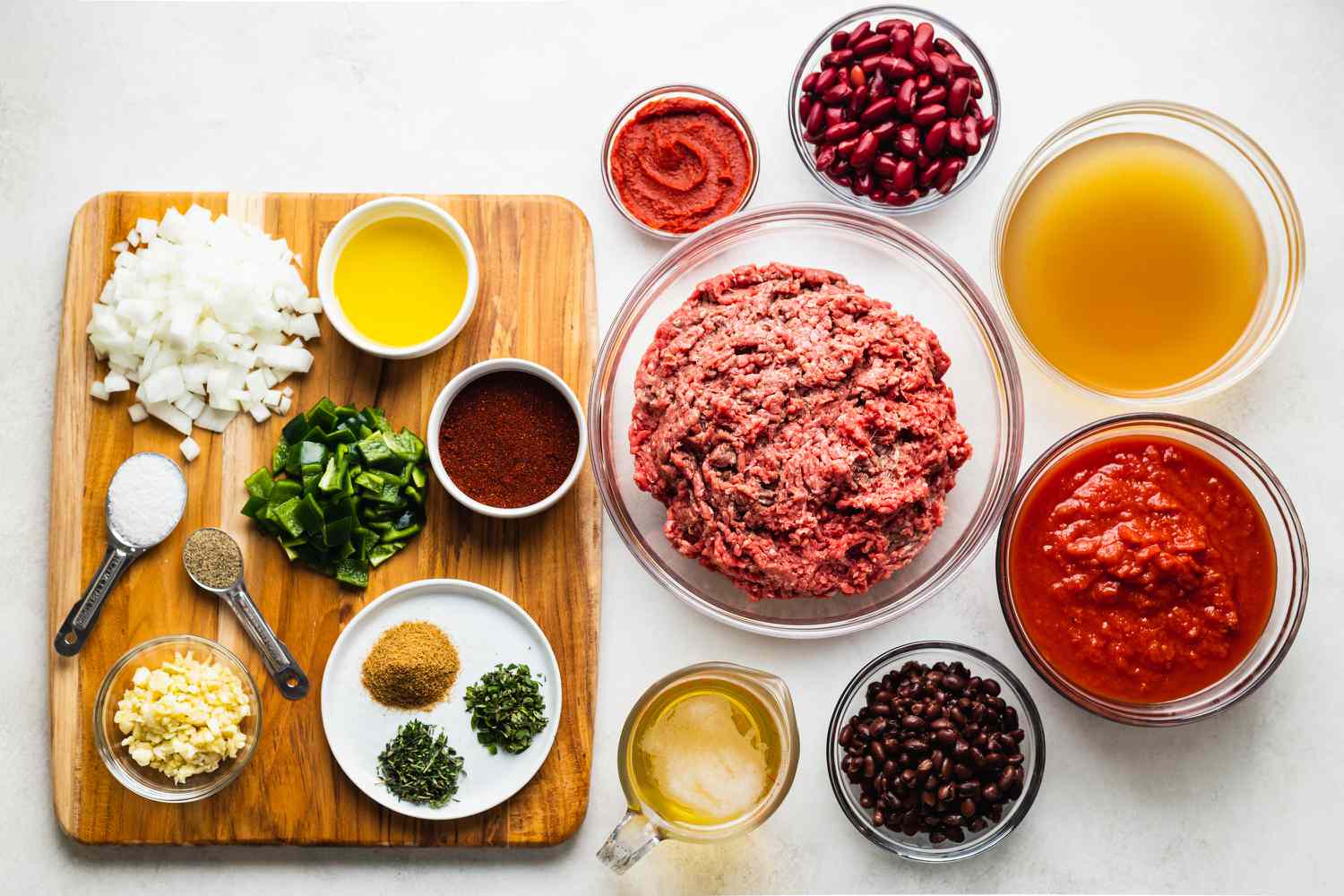
- Chili Recipe1 Hours 15 Minutes
- Cream Corn Recipe30 Minutes
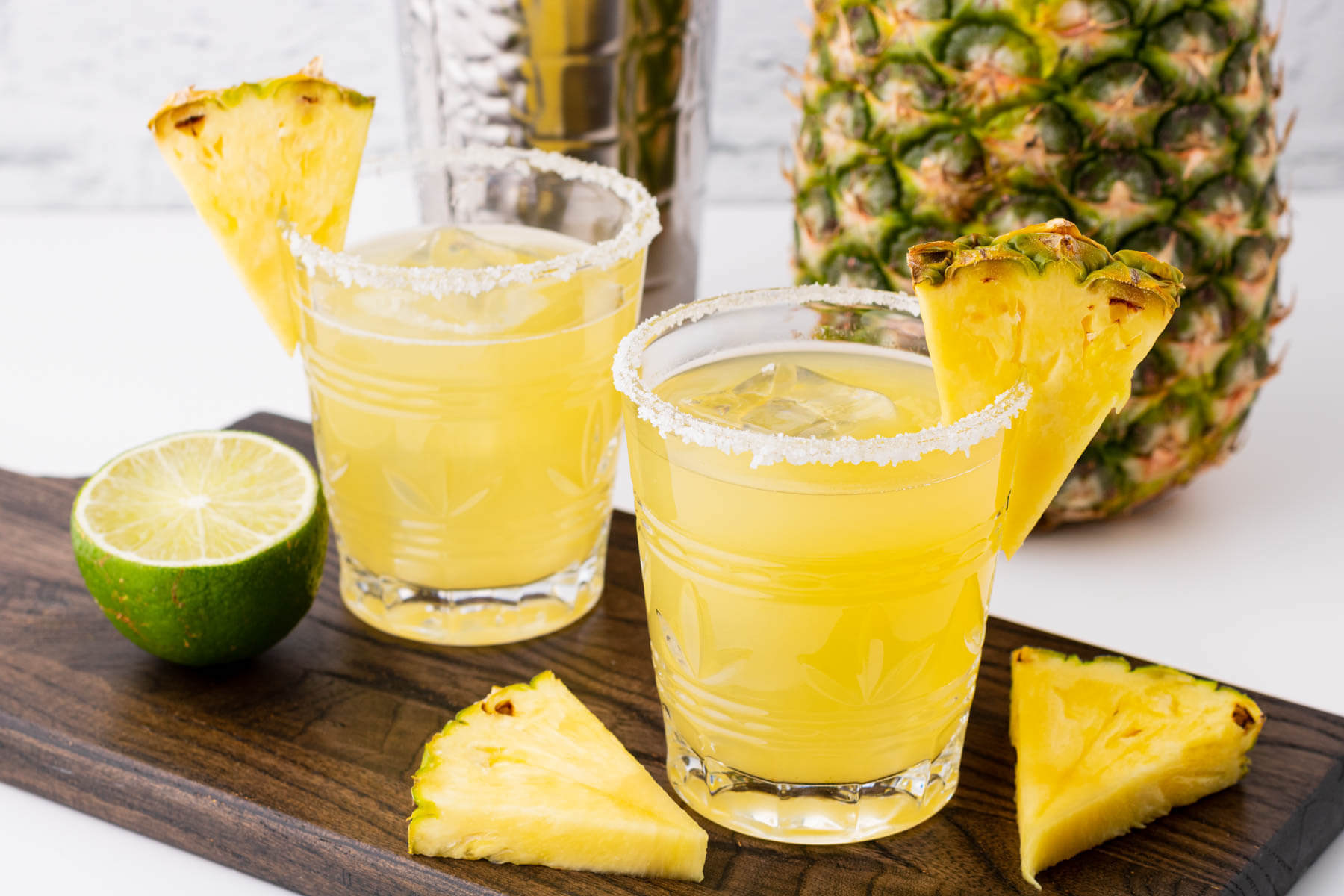
- Pineapple Margarita Recipe10 Minutes
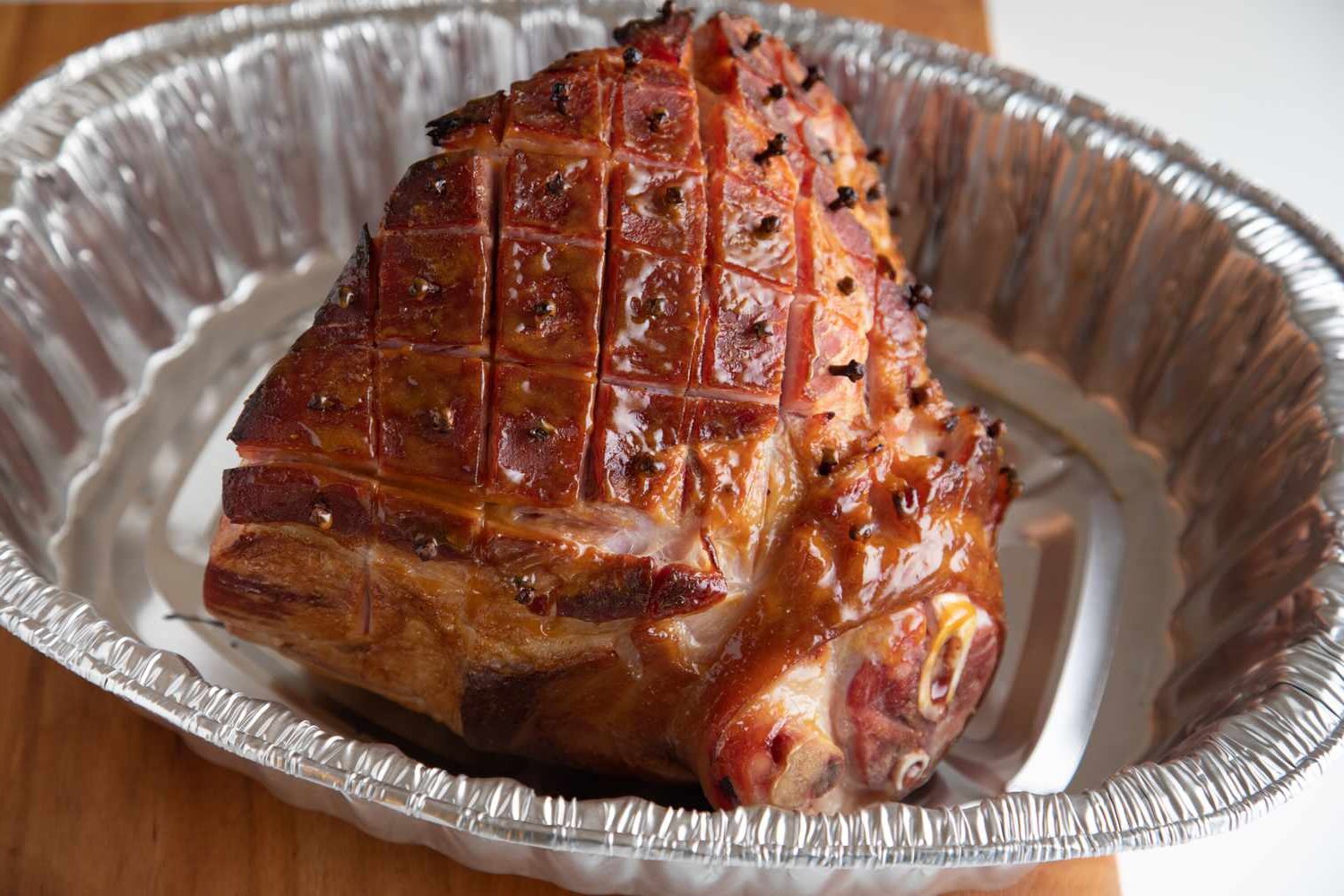
- Baked Ham Recipe2 Hours 15 Minutes
- Mixed Greens Recipe10 Minutes



Leave a Reply